Christmas Health Hazards: Staying Safe Over the Festive Period
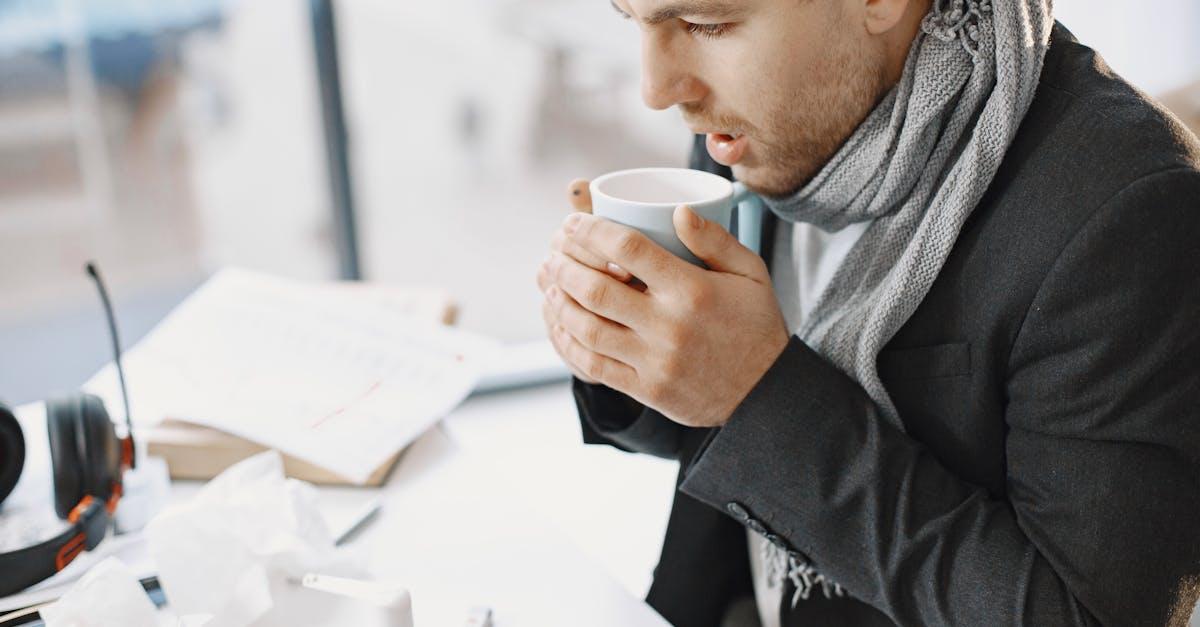
Christmas is a time for celebration, family, and indulgence. But the festive season also brings its own set of health hazards that catch people out every year. From food safety to medication planning, cold weather slips to mental health struggles, the combination of celebrations, disrupted routines, and closed GP surgeries means staying safe over Christmas requires a bit of forward planning. Here's what Wakefield residents should be aware of.
Food Safety and Kitchen Hazards
Christmas dinner is a highlight for most families, but handling and cooking large quantities of food increases food poisoning risk. A turkey defrosting on the kitchen counter, leftovers sitting out at room temperature, and a busy kitchen with children around all present hazards.
For food safety:
- Defrost your turkey thoroughly in the fridge — a large frozen bird can take several days.
- Cook poultry all the way through. Use a meat thermometer if you have one. No pink meat or raw juices.
- Refrigerate leftovers promptly. Hot food cools quickly at room temperature; don't leave it out for more than 2 hours.
- Be careful with buffets. Food sitting at room temperature for extended periods breeds bacteria.
If you do get a stomach upset over Christmas, rest and stay hydrated. If symptoms persist or are severe, speak to your pharmacist.
Kitchen burns and scalds are also common during the festive cooking rush — especially in a busy kitchen with children around. Keep hot pans and dishes away from counter edges. Be careful when draining vegetables or opening the oven.
For minor burns: cool the area under running cool water for at least 20 minutes. Seek medical advice if the burn is large, blistered, or affects the face, hands, or joints. Your pharmacist can advise on appropriate dressings and pain relief.
Alcohol and Medication Interactions
Christmas often involves more alcohol than usual. That's fine as a personal choice, but excessive drinking carries real health risks:
- Dehydration
- Digestive upset
- Increased falls and accidents
- Interactions with certain medications
- Lowered immunity
If you take prescription medication, ask your pharmacist whether it's safe to drink with your medicines. Some medications interact with alcohol in ways that can be harmful. This is especially important if you're on blood pressure medication, antidepressants, or anticoagulants.
And if you're thinking about alcohol reduction over the New Year, your pharmacist can support you — it's not just about January 1st.
Cold Weather Risks
December and January bring cold, wet, and sometimes icy conditions. Slips and falls are the most common winter injuries, particularly among older people.
- Wear footwear with good grip. Shop for shoes with traction before the ice comes.
- Take extra care on paths and steps, especially early mornings when frost is likely.
- Keep your home warm. Cold indoor temperatures affect blood pressure and circulation, particularly in older adults. If heating costs are a worry, speak to your GP or pharmacist about support schemes and energy-saving advice.
- Check on elderly neighbours and relatives. Some may be reluctant to go out or may not heat their homes adequately.
For more detail, our guide on winter warmth advice for older adults in Wakefield covers heating, clothing, and activity in depth. And if you're worried about damp and cold housing, that's also worth understanding — poor home conditions compound winter health risks.
Mental Health and Stress
Christmas is often presented as universally joyful, but for many people it's a period of stress, loneliness, or sadness. Financial pressures, family tensions, bereavement, and social isolation can all weigh heavily during the festive season.
If you're struggling, remember that support is available. The Samaritans are available 24/7 (116 123). Your pharmacist can also signpost you to local mental health services in Wakefield. And if stress is affecting your sleep or appetite, or if you're having thoughts of harming yourself, please reach out to your GP or contact the NHS 111 service.
For longer-term stress management, our guide on managing stress during winter offers practical strategies.
Medication Planning and Pharmacy Closures
One of the most practical things you can do before Christmas is make sure you have enough medication to last through the holiday. GP surgeries and many pharmacies have reduced hours or close on bank holidays, and getting an emergency prescription can be complicated.
Plan ahead:
- Order repeat prescriptions early. Don't wait until the last moment — aim for early December.
- Check your pharmacy's opening hours over Christmas and New Year. We're here to help.
- Stock up on regular medicines. Make sure you have enough to cover at least a week beyond when you'd normally re-order.
- Keep over-the-counter essentials too. Our guide on winter-proofing your medicine cabinet covers what to keep in stock — paracetamol, ibuprofen, antacids, antihistamines, and cough remedies are all useful to have on hand.
If you do run out of medication over the Christmas break, speak to your pharmacist. We may be able to provide an emergency supply to tide you over until your GP surgery reopens.
Fire Safety at Home
House fires increase during the festive period, often linked to candles, fairy lights, and dried-out Christmas trees. While not strictly a pharmacy issue, it's worth a mention:
- Never leave candles unattended.
- Check fairy lights for damage before use.
- Keep your real Christmas tree watered.
- Make sure smoke alarms are working and have fresh batteries.
Frequently Asked Questions
What should I do if I get food poisoning over Christmas? Rest, stay hydrated, and avoid solid food for a few hours. Most cases resolve on their own. Seek medical advice if symptoms persist beyond a few days, if you have severe abdominal pain, or if you see blood in your vomit or stool. Speak to your pharmacist or call NHS 111.
Can I drink alcohol while taking my prescription medication? Not always. Some medicines interact with alcohol in ways that can be harmful. Examples include blood pressure medication, certain antidepressants, and anticoagulants. Always ask your pharmacist before drinking while on prescription medication.
What's the best way to avoid slips and falls in winter? Wear shoes with good grip. Take extra care on icy paths early in the morning. Use a walking stick or frame if you feel unsteady. Keep your home well-lit and remove clutter from stairs and walkways. If you're worried about your balance, speak to your GP.
How far in advance should I order my repeat prescriptions? Aim for early December, at least 2–3 weeks before Christmas. Don't leave it until the last week. If you're not sure when your repeat is due, check your prescription or ask your pharmacy.
What should I keep in my medicine cabinet over winter? Paracetamol, ibuprofen, antacids, antihistamines, cough remedies, and any prescription medications you take regularly. See our full guide to winter-proofing your medicine cabinet for more detail.
Is it safe for older people to keep their homes cool to save money? No. Cold homes increase the risk of heart attacks, strokes, and falls. If heating costs are a struggle, talk to your GP or pharmacist about support schemes and energy-saving advice. Your health is worth more than the savings.
What should I do if someone is choking? For adults: encourage them to cough. If they cannot cough, speak, or breathe, perform the Heimlich manoeuvre (abdominal thrusts). For children, the approach is different — seek guidance from NHS First Aid or call 999. Keep small objects and hard sweets away from young children.
Where can I get help if I'm struggling mentally over Christmas? The Samaritans are available 24/7 (116 123). Your pharmacist can signpost you to local mental health services in Wakefield. If you're having thoughts of harming yourself, call 999 or contact NHS 111.
Stay Well Over Christmas
The festive period doesn't have to be a time of health stress. A bit of forward planning — ordering prescriptions early, stocking your medicine cabinet, checking pharmacy opening hours, and being aware of common hazards — means you can enjoy Christmas safely. And if something does go wrong, remember that we're here to help. Pop in and see us at Kingfisher Pharmacy on Kirkgate in Wakefield, or give us a call.
Have a safe and enjoyable Christmas.