Heat Exhaustion and Heatstroke: What Wakefield Residents Should Know
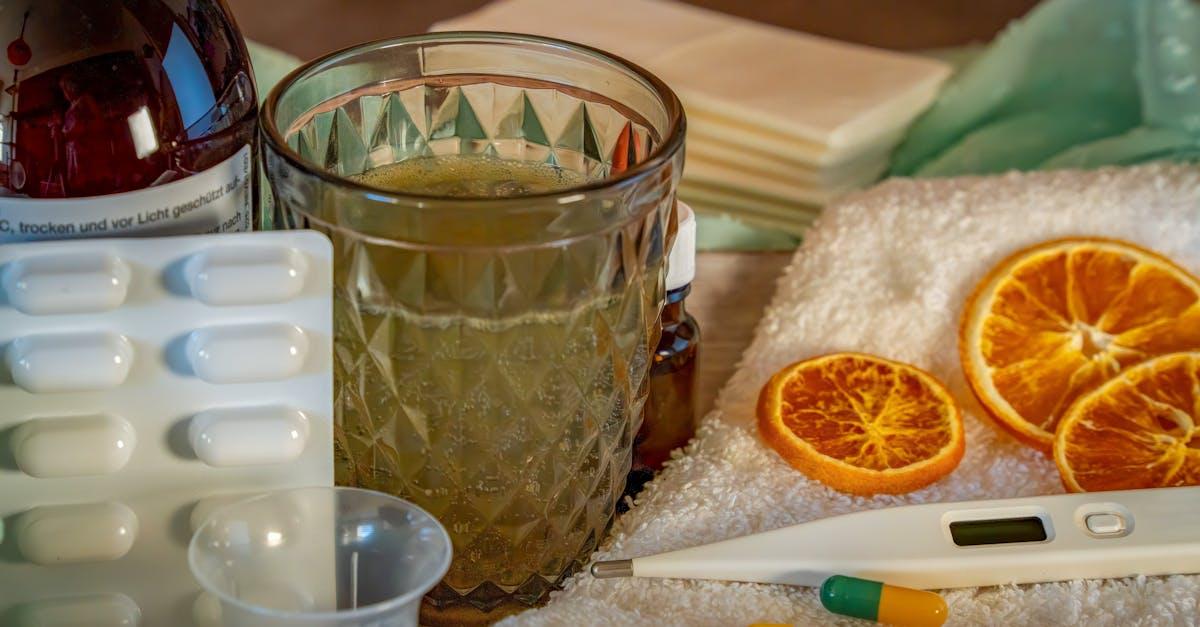
When temperatures in Wakefield climb into the high 20s and stay there for days, it's natural to focus on enjoying the sunshine. But heat exhaustion and heatstroke are genuine risks that affect UK residents every summer. Knowing how to spot the warning signs and respond quickly can make the difference between a manageable situation and a medical emergency. This guide explains what these conditions are, who's most vulnerable, and what you can do to stay safe.
This is general information. If you or someone near you becomes seriously unwell in hot weather, call 999 immediately.
Understanding Heat Exhaustion
Heat exhaustion occurs when your body becomes too hot and can't cool itself down effectively. It usually develops over several hours, particularly when you've been exposed to high temperatures, exercised in the heat, or not drunk enough fluids.
Your body naturally cools itself through sweating, but when that mechanism can't keep pace with the heat, exhaustion develops.
Signs of heat exhaustion include:
- Heavy sweating with cool, clammy skin
- Dizziness or lightheadedness
- Headache
- Nausea or vomiting
- Muscle cramps
- Fast or irregular breathing
- A rapid heartbeat
- Extreme tiredness
- Intense thirst
Heat exhaustion is your body's warning signal. It's treatable — move to a cool place, drink water, and cool down. Most people recover within 30 minutes. But if symptoms don't improve, or if they escalate, heatstroke may be developing.
Recognising Heatstroke
Heatstroke is what happens when heat exhaustion progresses — it's a medical emergency. Your core body temperature rises to a dangerous level (typically above 40°C), and your body's cooling systems begin to fail. This can cause serious organ damage or be life-threatening.
Heatstroke looks and feels different from heat exhaustion:
- Very high body temperature
- Confusion, disorientation, or unusual behaviour
- Loss of consciousness or seizures
- Hot, dry skin (sweating may stop completely)
- A strong, rapid pulse
- Severe headache
If you suspect heatstroke, call 999 immediately. While you wait for the ambulance, move the person to a cool place and apply cool water or wet cloths to help lower their temperature.
Who's Most at Risk in Wakefield
Anyone can develop heat-related illness, but certain groups are more vulnerable. Understanding your own risk means you can take extra precautions.
Older people are particularly at risk, especially those over 75 or living alone. Ageing can dull the body's natural heat response, and many older adults manage long-term health conditions that complicate heat stress. If you have elderly relatives or neighbours in Wakefield, check on them during very hot spells — a quick call can be genuinely lifesaving. Our Winter Warmth Advice for Older Adults covers vulnerability and protection strategies that apply in any season.
Young children and babies cannot regulate their temperature as effectively as older children or adults. Keep them in the shade during peak heat hours (11am–3pm) and ensure they drink regularly.
People with long-term health conditions — heart disease, breathing problems, kidney disease, diabetes — may find heat stress worsens their symptoms. Heat puts extra strain on the heart and can affect how conditions are managed.
Pregnant women and people who've recently given birth experience changes in temperature regulation and may be more at risk.
People taking regular medications should be aware that some medicines can affect how your body sweats or regulates temperature, or may increase sun sensitivity. Before summer peaks, have a conversation with your pharmacist about whether your medication might be affected by heat.
People who exercise or work outdoors — runners, cyclists, builders, gardeners, outdoor sports enthusiasts — face obvious risks if they push hard during hot weather.
How to Stay Safe in Hot Weather
There's no single solution, but evidence-based steps can significantly reduce your risk:
Drink water steadily throughout the day. Don't wait until you feel thirsty — by then, you may already be dehydrating. Aim for consistent fluid intake. Avoid excessive caffeine and alcohol, as these actually increase dehydration. (Our Dry January guide explores how alcohol affects hydration and health.) If you're exercising, drink even more.
Avoid peak heat hours. Between 11am and 3pm, the sun is strongest. Stay indoors or in deep shade. If you must be outside, wear light-coloured, loose, breathable clothing, a wide-brimmed hat, and sunglasses — these reduce the heat load on your body substantially.
Keep your living space cool. Open windows early morning and late evening. Close curtains and blinds during the day. Fans improve air circulation. Cool showers or baths are effective at lowering core body temperature.
Exercise safely. If you run, cycle, or play sports outdoors, do so in the early morning or evening, not during peak heat. Reduce intensity during heatwaves. Drink before, during, and after activity. Take breaks in the shade. (Our June Health Focus on Men's Health Week includes practical guidance on maintaining activity safely in summer.)
Check on vulnerable people. A quick call or visit to elderly relatives, neighbours, people with health conditions, or anyone living alone during a heatwave can prevent serious illness. People sometimes don't realise how dehydrated they've become.
Plan summer activities carefully. Festivals, outdoor events, and gatherings are a big part of summer in Wakefield, but they come with heat risks. If you're attending summer events or festivals, bring plenty of water, wear sun protection, and take regular breaks in cool or shaded areas.
Medications and High Temperatures
Heat affects both how medicines work in your body and how they should be stored.
Storage. Many medications have a maximum storage temperature — usually printed on the packet as "store below 25°C" or "keep in a cool place." During heatwaves, a car parked in the sun or a windowsill in direct light can easily exceed these limits. Keep medicines in a cool cupboard or drawer, not the bathroom (too steamy) or kitchen (too close to heat sources).
How your body uses medicines. Some medications affect how effectively you sweat or regulate temperature. Others increase sun sensitivity. If you take regular medication and are concerned about heat, speak to your pharmacist before summer peaks. They can advise on storage, any precautions you should take, and whether hot weather might affect how your medicine works.
When to Seek Help
Heat exhaustion: Move indoors or into shade, lie down, drink water, and apply cool water or damp cloths. Most people recover within 30 minutes. If symptoms don't improve, or if they worsen, call 111 (NHS non-emergency) or 999 (if seriously unwell).
Heatstroke: This is an emergency. Call 999. Cool the person actively — apply water, wet cloths, or ice packs while waiting for the ambulance.
General concerns: Your pharmacist is an excellent first point of contact for advice on hydration, sun protection, medication safety in hot weather, and whether heat might affect any existing health conditions. We're accessible and don't require an appointment.
Frequently Asked Questions
Q: What's the difference between heat exhaustion and heatstroke?
A: Heat exhaustion is your body's warning that it's overheating. The person is usually conscious, sweating, and responsive. Heatstroke occurs when the body's core temperature becomes dangerously high and the cooling system fails — the person may be confused, stop sweating, or lose consciousness. Heatstroke is a medical emergency.
Q: How quickly does heat exhaustion develop?
A: Usually over several hours of heat exposure, especially combined with physical activity or not drinking enough fluids. Individual factors affect the rate.
Q: Can heat cause anxiety or stress?
A: Yes, heat stress can affect mental wellbeing alongside physical symptoms. Managing stress and maintaining good health is important year-round — our Managing Stress During Winter guide covers practical strategies that apply in any season.
Q: Is it safe to take paracetamol or ibuprofen for a heat exhaustion headache?
A: If you have heat exhaustion, the priority is cooling down and rehydrating. Once you've recovered, standard pain relief is fine. If you're unsure about medication during or after a heat-related illness, ask your pharmacist or GP.
Q: Are children at higher risk?
A: Yes. Children have more difficulty regulating body temperature than adults. Infants and young children are particularly vulnerable. Never leave a child in a hot car, even briefly. Keep them shaded, cool, and well-hydrated during hot weather.
Q: My medication is for heart or blood pressure. Does heat affect it?
A: Some medications can be affected by heat, and heat puts extra strain on the heart itself. If you take regular medication, speak to your pharmacist before summer about any specific concerns. They know your medicines and can give tailored advice.
Q: What if I start to feel unwell while exercising outdoors?
A: Stop immediately. Move to shade or indoors, sit or lie down, drink water, and cool your skin with damp cloths. If dizziness or confusion doesn't pass within a few minutes, or if you develop severe headache, call 111 or 999.
Q: Can I travel to a much hotter climate if I have a health condition?
A: Yes, but plan carefully. Speak to your GP or pharmacist before travelling. Discuss how your medication might be affected by higher heat, whether you need precautions, and how to access medical support if needed while away.
Keep Safe This Summer
When hot weather arrives in Wakefield, it's exciting — but heat exhaustion and heatstroke are real risks. Knowing the signs and responding quickly makes all the difference. If you have questions about staying safe during heat, whether your medications are affected, or whether you're at higher risk due to a health condition, pop into Kingfisher Pharmacy on Kirkgate. Our team can discuss your specific situation and give you practical, personalised advice. We're here to help you and your family stay well during the warm months.