Menopause Awareness: How Your Wakefield Pharmacy Can Help
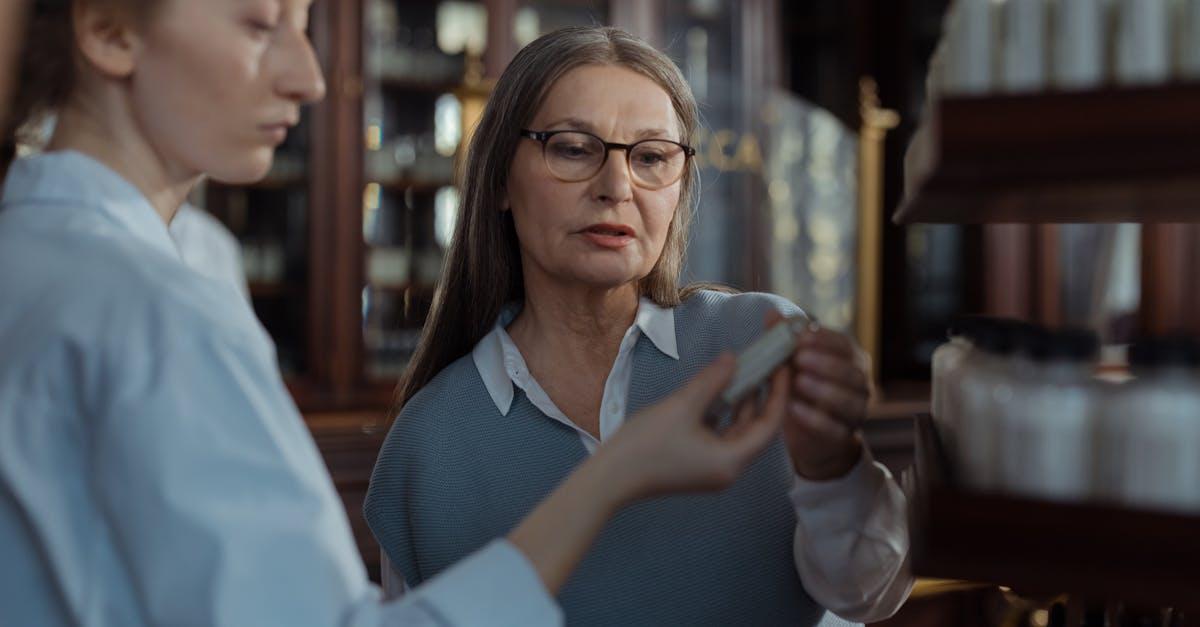
Menopause is a natural life transition, yet many women in the UK feel unsure where to turn for information and support. The good news? Your Wakefield pharmacy can help. Whether you're navigating your first hot flush, managing mood changes, or simply wondering if what you're experiencing is menopause, a pharmacist who knows you and your health is one of your best resources. This guide explains what menopause involves and how your Wakefield pharmacy can support you through this change.
Understanding Menopause
Menopause occurs when a woman's periods stop permanently, typically between ages 45 and 55. The average age in the UK is around 51, though the journey is different for everyone. The years leading up to it—called perimenopause—can bring symptoms years before periods actually stop.
The hormone shifts that cause menopause are real and measurable. As oestrogen levels drop, many women experience:
- Hot flushes and night sweats
- Sleep disruption
- Mood changes (sometimes linked to broader mental health concerns)
- Brain fog or memory difficulties
- Joint or muscle aches
- Vaginal dryness
- Changes to skin and hair
Some women sail through with barely a ripple. Others find menopause disrupts their work, relationships, and confidence. Both are normal. There is no single "correct" way to experience menopause.
One important point: if your symptoms start before age 45, it's worth flagging to your GP, as this can indicate early menopause and may warrant specific investigations.
What Your Pharmacist Can Do
Your GP remains the first port of call for diagnosis and treatment options. But your pharmacist plays a quieter, equally valuable role—one that often happens in a five-minute conversation at the counter or a longer chat in the consultation room.
Talk you through what's happening. Menopause comes with a lot of confusing information and myths. A pharmacist can explain the biology in plain language, help you spot patterns in your symptoms, and advise whether a GP conversation is the next step. We've fielded these questions hundreds of times. There's nothing you could say that would surprise us.
Support your medication. If your GP prescribes hormone replacement therapy (HRT) or other menopause treatments, your pharmacist can explain how to take it, what's normal in the first few weeks, and when to check back in with your GP if something doesn't feel right. We'll spot interactions with other medicines you might be taking and can answer practical questions about how to fit it into your routine.
Manage side effects and adjustment. Starting new medication sometimes comes with teething troubles—migraines, nausea, or other reactions. Your pharmacist can advise which effects are expected to settle, which warrant GP review, and how to make the transition smoother.
Discuss lifestyle approaches. There's no substitute for good sleep, regular movement, and managing stress—all of which many women find help with menopause symptoms. Your pharmacist can suggest practical, evidence-based tips for nutrition, sleep, and activity that fit your life, and can point you toward useful resources. See our guide on weight management advice from your Wakefield pharmacy for one key aspect of overall wellbeing.
Signpost to other support. Menopause sometimes overlaps with anxiety or low mood. If you mention this, we can discuss whether a GP appointment would help, whether talking therapies might suit you, and what local support is available. Your local Wakefield pharmacy is more than just a chemist—we're here to help you navigate this transition.
Talking to Someone
One of the biggest barriers to getting help is discomfort raising the subject. Many women worry they'll be brushed off, that it's "not real," or that they're overreacting.
Here's the truth: pharmacists talk about menopause with patients every week. It's a normal, routine part of healthcare. Nothing to feel embarrassed about.
If you'd prefer privacy, we have a quiet consultation room where you can speak without anyone overhearing. No appointment needed—just ask. And you don't need to arrive with a prepared speech or a symptom diary. Saying "I think I might be going through menopause and I'm not sure what's normal" is a perfectly good opening.
Many of our Wakefield patients find that once they've broken the ice, the relief of being able to talk openly is itself helpful.
When You Need Your GP
Your pharmacist can advise and signpost, but some things need medical assessment. Consider booking a GP appointment if:
- Your symptoms are seriously affecting your sleep, work, or relationships
- You want to explore treatment options, including HRT
- You're experiencing hot flushes or other menopause symptoms before age 45
- You're concerned about bone health, heart health, or long-term effects of menopause on your wellbeing
- You're uncertain whether your symptoms are menopause-related or something else
- You've tried lifestyle measures and still feel struggling
- You have a personal or family history of conditions (like breast cancer) that might affect which treatments are suitable
Your pharmacist can help you prepare for that GP visit by jotting down which symptoms affect you most, when they happen, and what you've already tried. Having that information ready often makes the appointment more productive.
Local Resources and Workplace Support
Menopause can affect mental health and wellbeing, and Wakefield has several resources to explore:
- Your GP practice (many now run menopause clinics or have a named menopause lead)
- NHS community services and health talks (check your local ICB website)
- Online communities and support forums (British Menopause Society, Women's Health Concern)
- Local support groups (ask your pharmacy or GP practice if they know of any meeting in Wakefield)
- Your workplace: if menopause symptoms are affecting your job, check whether your employer has a menopause policy or employee assistance support
Many large employers and councils now recognise menopause as a health and wellbeing issue. If your workplace doesn't yet, it's worth raising it with HR or occupational health.
Frequently Asked Questions
Q: Is it definitely menopause, or could it be something else?
A: That's a great question for your GP. Hot flushes, sleep problems, and mood changes can have other causes (thyroid issues, depression, anxiety, medical conditions, medications). Your GP can take a proper history and arrange tests if needed. Your pharmacist can listen to your concerns and help you decide if a GP appointment would be useful.
Q: Does every woman need HRT?
A: No. HRT is helpful for many women, but it's not the only option, and it's not suitable for everyone. Some women manage menopause symptoms well with lifestyle changes alone. Others find symptom relief with non-hormone medications. Your GP can discuss what's right for you, and your pharmacist can help you understand your options and how any prescribed treatment works.
Q: Is HRT safe?
A: HRT's safety profile depends on your individual health history, which type of HRT, and how long you take it. It carries both benefits and risks that vary from person to person. Your GP is the best person to weigh these up with you based on your medical history. The NHS has detailed information on HRT and menopause treatment available online. Your pharmacist can answer practical questions about how to take it once prescribed.
Q: How long does menopause last?
A: The menopause transition (perimenopause) can last 4–10 years, though most women get through the worst of it in 3–5 years. Once you've had no periods for 12 months, you've officially reached menopause. After that, symptoms gradually ease for most women, though some experience them for longer. Everyone's timeline is different.
Q: Will menopause affect my bones or heart?
A: Oestrogen helps protect bone density and cardiovascular health, so some women do experience changes in these areas during and after menopause. This is another reason why a GP conversation is worthwhile if you have concerns or risk factors. Your GP can assess your individual risk and discuss prevention or screening if needed. See our guide on medicine reviews and falls prevention for elderly residents in Wakefield for more on bone and joint health management.
Q: Can my pharmacist help if I'm not sure whether to start HRT?
A: Yes. If you've been prescribed HRT but feel uncertain about taking it, or you're thinking about asking your GP for it but want to talk it through first, your pharmacist can discuss the pros and cons, help you understand the science, and point you toward balanced information sources. We can also discuss non-medication options. What we can't do is diagnose or decide whether HRT is right for you—that's a conversation between you and your GP.
Q: What if I'm experiencing menopause symptoms and also struggling with my mental health?
A: Menopause and anxiety or depression can happen at the same time, and they can interact in complex ways. Your pharmacist can listen and discuss whether a GP appointment would help—both to address menopause directly and to explore your mental wellbeing. There are good treatments available for both, and they often work better when addressed together.
Q: How do I know if my pharmacy is menopause-friendly?
A: A good sign is staff who listen without judgment and offer private conversation space if you want it. Kingfisher Pharmacy in Wakefield is built on these principles—we see menopause conversations as routine healthcare. If you feel uncomfortable at any pharmacy, you have every right to ask for another member of staff or to try a different pharmacy. You deserve to feel heard.
Moving Forward
Menopause is not a medical emergency, but it is a significant transition—one that affects millions of women across the UK at any given time. You're not alone, and you don't have to navigate it without support.
Whether you need information, medication advice, someone to bounce ideas off, or a private space to ask questions you've been too embarrassed to raise elsewhere, your Wakefield pharmacy is here for you. Pop in and speak to one of our team. We're happy to help.