How to Prevent and Manage Chilblains in Cold Weather
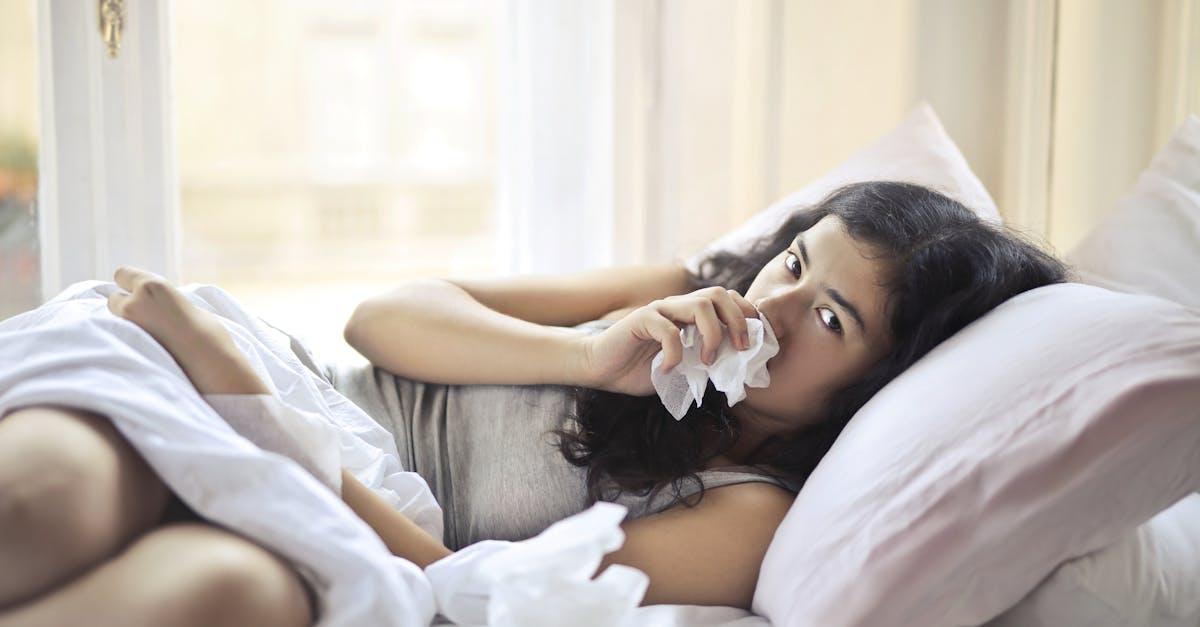
As winter arrives in Wakefield, a common but often misunderstood condition starts to affect more residents than you might expect: chilblains. If you've never experienced them, count yourself fortunate. For those who do, the itchy, painful swellings on fingers and toes can make the coldest months genuinely uncomfortable. The good news is that you can prevent and manage chilblains with a few straightforward steps.
This guide explains what chilblains are, who's at risk, and how to both prevent and manage them if they do appear. If you're concerned about symptoms on your hands or feet, speak to your pharmacist or GP for personalized advice.
What Are Chilblains, and Why Do They Happen?
Chilblains (also known as pernio or perniosis) are small, inflamed patches of skin that develop in response to cold. They typically appear on your fingers, toes, heels, or ears — the bits of your body most exposed to winter air.
Here's what happens: when skin gets cold, tiny blood vessels near the surface narrow to preserve heat in your core. When you then warm up too quickly — say, by plunging cold feet into hot water or sitting directly in front of a radiator — those vessels can leak fluid into the surrounding tissue. The result is swelling, redness, and intense itching.
Most chilblains resolve within a few weeks once you keep the affected area warm and protected, but the discomfort while they're active can be quite severe, especially as the area begins to warm up.
What Chilblains Look and Feel Like
Chilblains appear as:
- Small red or purple patches, usually on toes, fingers, or ears
- Intense itching, often worse as the area warms
- A burning or stinging sensation that can be uncomfortable
- Swollen, tender skin to the touch
- Dry or cracked skin in some cases
In more severe cases — which are less common — the skin may blister or ulcerate. If you see these signs, speak to your GP.
Who Is at Higher Risk?
Chilblains can affect anyone, but certain groups are more vulnerable:
- Women are affected more often than men
- People with poor circulation — including those with conditions like Raynaud's — are at greater risk
- Smokers — tobacco narrows blood vessels and impairs circulation
- People who are underweight — less body fat means less insulation against cold
- Older adults — circulation naturally decreases with age, which is why we've written specific winter warmth advice for older Wakefield residents
- People who live or work in damp, cold housing or spend prolonged time outdoors in cold conditions
If you experience chilblains every winter, mention it to your GP. Recurring cases can sometimes signal underlying circulation issues worth investigating.
How to Prevent Chilblains
Prevention is straightforward: keep warm, avoid rapid temperature changes, and protect your circulation.
Keep Your Extremities Warm
- Wear thick, warm socks and insulated shoes or boots — it's worth investing in quality
- Use gloves or mittens every time you go outside, even for short trips
- Wear a hat that covers your ears
- Add thermal insoles in very cold weather
- Keep your whole body warm — if your core temperature drops, your body restricts blood flow to your hands and feet to protect vital organs
Avoid Rapid Temperature Changes
This is critical. Do not plunge cold feet into hot water. Do not sit with cold feet directly against a radiator. When you come indoors from the cold:
- Let your hands and feet warm gradually in a moderately heated room
- If they feel numb, rub them gently — do not massage aggressively
- Change out of wet clothes as soon as you can
Move Regularly
Physical activity keeps your circulation healthy. A short walk, some hand exercises, or even dancing indoors helps blood flow reach your fingertips and toes.
Do Not Smoke
Smoking narrows blood vessels and reduces circulation — a major risk factor for chilblains. If you're a smoker and experiencing recurring chilblains, this is a strong reason to consider quitting. We offer smoking cessation support at Kingfisher, and your GP can also refer you to NHS Stop Smoking services.
Look After Your Whole Health in Winter
Managing stress during the winter months is part of prevention, because stress and low mood can worsen circulation and immune function. Similarly, staying active, eating well, and getting adequate sleep all support healthy blood flow. Cold-weather planning — such as thinking ahead about health hazards during festive periods — helps you avoid exposure and avoid rushing around in bad weather when tired.
Managing Chilblains When They Appear
If chilblains do develop, these steps can ease discomfort:
- Keep the area warm — but avoid direct heat sources like radiators or hot water bottles
- Do not scratch — even though it itches intensely. Scratching breaks the skin and risks infection
- Keep skin moisturized — dry skin cracks and becomes more painful
- Gentle movement — light exercise in the affected area can improve circulation without irritating the skin
- Over-the-counter products — your pharmacist can suggest creams or ointments that may soothe itching
Most chilblains settle within 2–3 weeks once the skin is consistently kept warm. However, if chilblains don't improve within 2–3 weeks, you see blistering or ulceration, or you notice signs of infection (increased redness, pus, or swelling), speak to us or your GP. If chilblains return every winter, or if you have diabetes or poor circulation, these cases need closer monitoring. Infection needs prompt treatment.
Frequently Asked Questions
Q: Can I use a cold compress to stop the itching? A: No. Cold will make chilblains worse. Use warm (not hot) compresses instead, or gentle warmth. The goal is to stabilize blood flow, not shock the area with cold again.
Q: Do chilblains go away on their own? A: Yes, most do within 2–3 weeks once kept warm and protected. But if you keep re-exposing the area to cold, they'll persist. Speak to your pharmacist if symptoms linger beyond three weeks.
Q: Are chilblains dangerous? A: Not usually. But infection can develop if skin is broken, especially in people with diabetes or poor circulation. If you notice pus, increased swelling, or warmth, see your GP.
Q: Why does my partner not get chilblains but I do? A: Genetics, circulation, body weight, and hormones all play a role. Women are affected more often than men. Some people's blood vessels are simply more reactive to cold. If it runs in your family, you're more likely to experience it.
Q: What's the difference between chilblains and frostbite? A: Chilblains are an inflammatory response to cold — tissue is not frozen. Frostbite is true tissue freezing and is a medical emergency. Chilblains develop after rewarming; frostbite is apparent during or immediately after cold exposure. If you suspect frostbite, seek emergency care immediately.
Q: Can I prevent chilblains by gradually exposing myself to cold? A: Not reliably. Cold acclimatization (as in some winter sports) may help slightly, but the best prevention is keeping warm, avoiding rapid temperature swings, and protecting your extremities. If you're prone to chilblains, it's not about toughening up — it's about smart layers and circulation care.
Q: Should I see my GP every time I get chilblains? A: Not for a first mild case. But if they recur every winter, or if you're over 65, it's worth a conversation with your GP to rule out underlying circulation issues. Recurring chilblains in older adults can sometimes signal something else worth investigating.
Get Support at Kingfisher Pharmacy
If chilblains are troubling you this winter, we're here to help. We can recommend suitable creams and moisturizers, give practical advice on keeping warm, and let you know if your symptoms warrant a conversation with your GP. We're on Kirkgate in Wakefield town centre, and there's no need to book — just walk in and speak to our team.
Cold weather doesn't have to mean painful hands and feet. A few sensible steps — warm clothes, gradual rewarming, and good circulation — will see you through to spring.