Shingles Treatment Through Pharmacy First: What You Need to Know
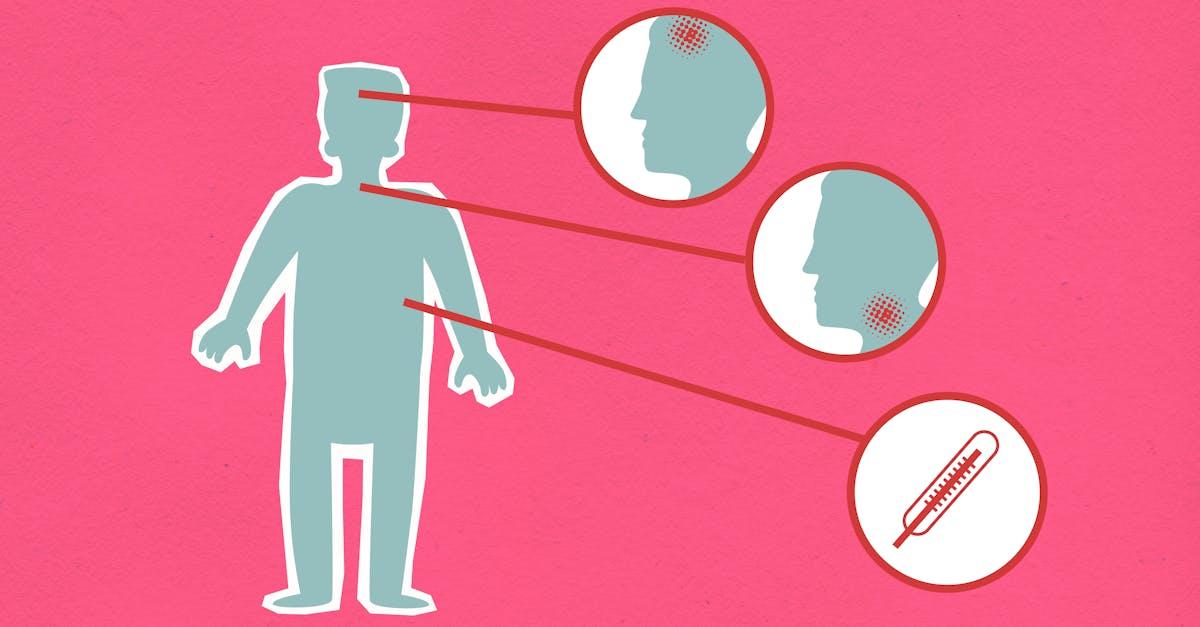
Shingles is painful and can strike years after you've had chickenpox. If you think you might have it, you don't have to wait weeks for a GP appointment. Under the NHS Pharmacy First service, our pharmacists in Wakefield can assess and treat shingles on the same day. This article explains what shingles is, how our pharmacy can help, and when you should see your GP instead.
What Is Shingles?
Shingles is caused by the varicella-zoster virus — the same virus that causes chickenpox. After you recover from chickenpox, the virus doesn't leave your body. Instead, it stays dormant in the nerves near your spine. Years or even decades later, it can wake up and cause shingles.
The condition shows up as a painful rash, usually on one side of your body. It often appears as a band or strip of fluid-filled blisters. Before the rash appears, you might feel tingling, burning, or pain in that area. Some people also feel generally unwell — headaches, tiredness, maybe a slight fever.
Shingles is most common in people over 50, though anyone who's had chickenpox can get it. Your risk is higher if you're stressed, your immune system is weak, or you're on certain medicines.
How Pharmacy First Helps With Shingles
Shingles is one of seven common conditions that our trained pharmacists can assess and treat directly under NHS Pharmacy First. The service is for adults aged 18 and over — no appointment needed, no referral from your GP.
When you think you have shingles, you can walk into Kingfisher Pharmacy on Kirkgate and be seen the same day. Our pharmacist will see you privately, ask about your symptoms, and decide whether treatment under Pharmacy First is right for you. When to use Pharmacy First instead of booking a GP appointment is something we hear often — with shingles, the answer is clear: if you notice the rash during our opening hours, come straight in.
What Happens During Your Consultation
The consultation is straightforward and designed to put you at ease.
Assessment — You'll be seen in our private consultation room, away from the main pharmacy floor. The pharmacist will ask when your symptoms started, what they feel like, and about your medical history and any medicines you're taking.
Examination — The pharmacist will look at the rash to confirm it's consistent with shingles and assess how widespread it is. What happens during a Pharmacy First consultation follows a set structure, and your pharmacist will explain each step.
Treatment — If your symptoms fit the Pharmacy First criteria, we can supply appropriate treatment right away. Starting treatment early can help reduce pain and speed up healing, so the faster you're seen, the better.
Referral — If your symptoms are severe, if you're immunocompromised, or if the rash is near your eye or genitals, the pharmacist will refer you to your GP or another service. This isn't a failure — it's the right call. We'll never send you home if you need more specialist care.
Why Timing Matters
With shingles, the window for treatment is real. Antiviral medicine works best if started within 72 hours of the rash appearing — the first three days are critical. After that, treatment may still help with pain, but the rash is harder to slow down.
This is why Pharmacy First saves you time compared to a GP appointment. Instead of calling your GP's surgery, waiting for a callback, or booking an appointment a week away, you can walk in and be seen the same day. With shingles, that speed isn't a luxury — it's the difference between treatment working and the rash running its full course. How Pharmacy First is reducing GP waiting times explains why walk-in access matters for urgent conditions.
When You Should See Your GP or A&E
While Pharmacy First covers most shingles cases, some situations need GP or hospital care:
- Rash near your eye — shingles affecting the eye area can threaten your vision and needs urgent assessment
- Severe pain that's not manageable at home
- Rash spreading widely across your body or to both sides
- You're pregnant — shingles in pregnancy needs medical evaluation
- You're immunocompromised — if you're on immunosuppressive medicines or have a condition affecting your immune system, see your GP
- You're unsure what you have — if the rash doesn't look like typical shingles, the pharmacist will refer you
- You're under 18 — Pharmacy First is for adults only
If any of these apply, call your GP or, if you can't get an urgent appointment, ring NHS 111. Pharmacy First vs A&E: when to visit your pharmacy instead of hospital gives more detail on how to choose the right service.
Shingles and Contagion
Shingles itself isn't contagious — you can't catch it from someone else. But the virus inside the blisters is the varicella-zoster virus, and if someone who hasn't had chickenpox touches the rash, they'll get chickenpox (not shingles).
While you have active blisters, keep the rash covered and avoid close contact with:
- Pregnant women who haven't had chickenpox
- Newborn babies
- People with weakened immune systems
Once the blisters have crusted over (usually 7–10 days), the virus is no longer spreadable.
The Shingles Vaccine
The NHS offers a shingles vaccine to eligible adults. Vaccination reduces your risk of shingles and is particularly effective if given before you develop the condition. If you're over 50 or in a high-risk group, ask your GP or pharmacist whether you're eligible. Prevention is one of the few things that genuinely works with this virus.
Frequently Asked Questions
Q: Can shingles come back after I've had it once?
A: Yes, though it's uncommon. Most people are immune after one episode, but if your immune system is weak, it can recur years later. If you've had shingles more than once, speak to your GP.
Q: How long does shingles last?
A: The blisters typically crust over within 7–10 days, and the rash usually clears within 2–4 weeks. Pain can persist longer, especially in people over 50. Early treatment can reduce both the duration and the pain.
Q: Do I need to be registered with Kingfisher Pharmacy to use Pharmacy First?
A: No, you don't need to be a registered patient. That said, if you're a regular with us, we may have your health history already, which speeds up the assessment. Read more about registering for Pharmacy First.
Q: Is there anything I can do at home while waiting to come in?
A: Keep the rash clean and dry, wear loose clothing, and take over-the-counter painkillers if needed (follow the packet instructions). Avoid scratching the blisters — it slows healing and increases the risk of infection. Cold compresses can help with pain. But don't wait at home for days. Come in as soon as you can, because the first 72 hours matter.
Q: Will treatment at the pharmacy cost me anything?
A: Pharmacy First treatment for shingles is NHS-funded, so treatment costs are either the standard prescription charge or nothing, depending on your eligibility. The assessment is always free. Speak to our team about costs if you're unsure.
Q: What if the rash develops near my eye?
A: Shingles affecting the eye area (called ophthalmic shingles) is a medical emergency because it can affect your vision. Don't visit the pharmacy — call NHS 111 or go to A&E straight away. If you come in and the pharmacist sees the rash is near your eye, they'll refer you immediately.
Q: Can I catch shingles from someone with chickenpox?
A: No. If you've already had chickenpox, you're immune to shingles from that source. Someone with an active chickenpox rash carries the varicella-zoster virus, but it will cause chickenpox in non-immune people, not shingles. The virus is the same; what happens depends on whether you've had it before.
Q: How quickly can I be seen at Kingfisher Pharmacy?
A: If you come in during our opening hours, you'll usually be seen within a few hours. We run a walk-in service for Pharmacy First conditions, so there's no waiting list. If we're particularly busy, you might be asked to come back later, but we aim to see you the same day. That's part of why we exist — to get you treated fast.
Visit Us at Kingfisher Pharmacy
If you think you have shingles, don't wait. Come and see us at Kingfisher Pharmacy, 192 Kirkgate, Wakefield. Our pharmacists can assess you the same day, ideally within the critical 72-hour window where treatment is most effective. Under Pharmacy First, we can start you on appropriate treatment without needing a GP appointment.
The sooner you're seen, the sooner we can help. Speak to our team about your symptoms — that's what we're here for.