How to Stay Healthy During Winter in Wakefield: Cold and Flu Tips
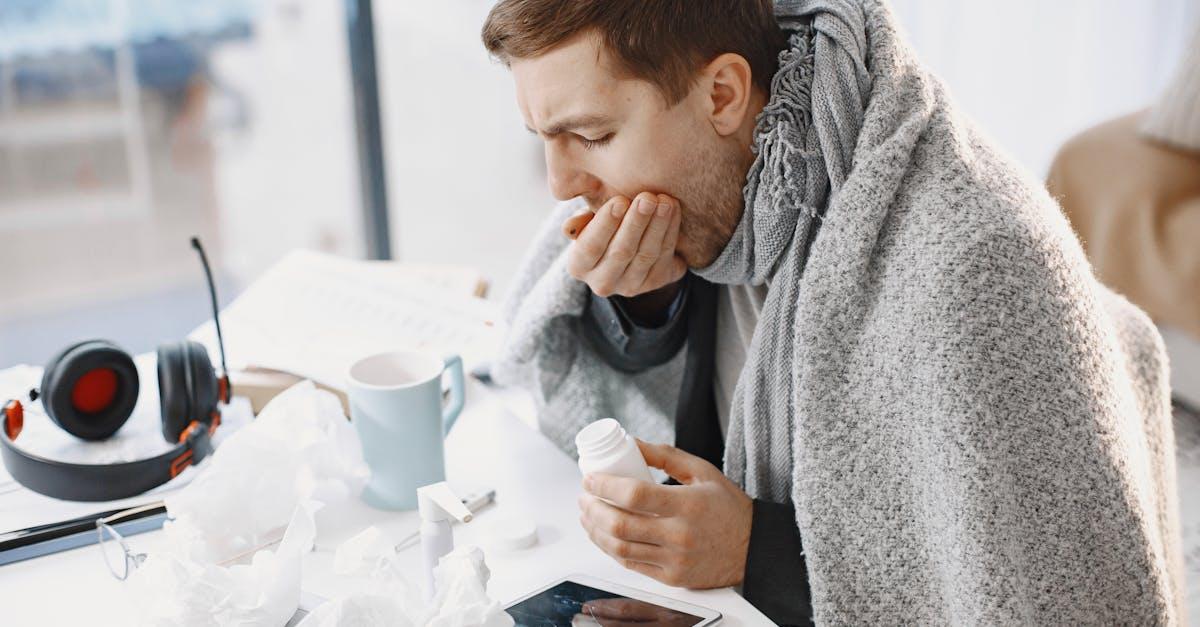
Winter in Wakefield brings beautiful frosty mornings and festive atmosphere, but it also brings a predictable surge in colds, flu, and other seasonal illnesses. If you're looking to stay healthy during winter in Wakefield, you're not alone — this is the question our pharmacy team answers dozens of times between November and February. The good news is that staying well isn't complicated. It comes down to a few straightforward habits, plus knowing when to seek help if something doesn't feel right.
Why Your Body Struggles in Winter
Understanding why winter makes us vulnerable helps you take sensible precautions. Several factors combine to make winter infection season:
More time indoors. Wakefield winters mean we spend hours in heated buildings with other people. Viruses spread faster in close quarters.
Cold, dry air. Winter air dries out the mucous membranes in your nose and throat — these are your body's first line of defence. When they're dry, viruses find it easier to get in. This dryness also affects your skin; if you're prone to eczema or irritation, winter can be particularly tough on your skin.
Less sunlight. Between October and March, we don't get enough direct sunlight to make adequate vitamin D. The NHS recommends a daily supplement during these months. Vitamin D matters for immune function.
Central heating indoors. Warm, dry indoor air adds to the problem. Your heating system is fighting against your immune system.
Darker mornings and evenings. Reduced daylight can affect mood and sleep quality, both of which affect how well your immune system works.
The good news: knowing these factors means you can do something about most of them.
Your Winter Health Checklist
You can't avoid every winter bug, but these habits stack the odds in your favour.
Wash your hands properly. Yes, it sounds basic. Proper handwashing — with soap and warm water for at least 20 seconds — stops viruses dead. Do it:
- After public transport
- Before you eat or prepare food
- After coughing, sneezing, or blowing your nose
- After visiting crowded places
No soap to hand? Hand sanitiser works when you're out. Keep a small bottle in your bag.
Keep moving. Winter makes hibernation tempting, but your immune system needs you active. A brisk walk through Thornes Park or along the Calder does the job. You don't need a gym membership or running kit. Thirty minutes of moderate activity most days — walking, swimming, home workouts — makes a real difference.
Eat more of the good stuff. Winter comfort food doesn't have to fight your immune system. Soups, stews, and casseroles with plenty of vegetables are exactly what your body wants. Aim for colour in your plate (different vitamins in different colours). And drink water — it's easy to forget when it's cold outside, but dehydration weakens your defences just as much in winter as summer.
Take vitamin D. From October to March, consider a daily supplement. The NHS recommends this for everyone, especially if you're 60+, pregnant, housebound, or have darker skin. We stock a range at Kingfisher — pop in and we'll recommend what suits you.
Sleep properly. Your immune system does its best repair work while you sleep. Aim for seven to nine hours a night. Simple habits help: regular bedtimes, no screens an hour before bed, a cool dark bedroom, and skipping caffeine after 3pm.
Manage stress. Winter — especially the festive period — can pile pressure on. Chronic stress weakens your immune system. Whatever works for you (exercise, time with friends, reading, a quiet 10 minutes) matters. Our guide to managing stress during winter has specific ideas that work for Wakefield residents.
Cold vs Flu: What's the Difference?
Most winter bugs are colds. Some are flu. They're not the same, and knowing which one you have helps you manage it.
| Cold | Flu | |
|---|---|---|
| How it starts | Gradual — wakes up over a day or two | Sudden — you feel ill within hours |
| Fever | Rare, or low if present | Common and often high (38°C+) |
| Body aches | Mild | Can be severe |
| Tiredness | Mild | Can be debilitating — you need bed rest |
| Sneezing/runny nose | Very common | Sometimes |
| How long | Usually 7–10 days | Usually 1–2 weeks |
If it's a cold: Rest, fluids, and time are your treatment. Over-the-counter remedies (paracetamol, decongestants, cough linctus) can help you feel better. If you're unsure which products are right for you — especially if you take regular medication, are pregnant, or are caring for young children — speak to a pharmacist before buying.
If it's flu: Same approach, but give it more respect. Flu can hit harder. Stay home for the first few days. If you're 50 or older, pregnant, or have a long-term health condition, ask about the flu jab — it cuts your risk significantly.
When to speak to a pharmacist or GP:
- Your symptoms are getting worse after a week, not better
- You have a very high temperature that doesn't come down
- You're short of breath or have chest pain
- You have a long-term health condition (asthma, diabetes, heart disease)
- You're caring for a baby or young child who seems very unwell
Contact your GP or pharmacist if any of these apply. Don't wait.
Protect Others Too
If you do catch something, help stop it spreading:
- Cover your mouth and nose when you cough or sneeze
- Bin tissues immediately
- Wash your hands regularly, especially after coughing or sneezing
- Stay home while you're most infectious (usually the first 2–3 days)
It's not always easy to stay put, but it genuinely protects the people around you. Wakefield workplaces and schools rely on people doing this.
Winter Health at Kingfisher
We've seen winter happen the same way for 15+ years. We know Wakefield residents catch the same bugs in the same order. We stock the remedies that work. And we're independent, which means we don't have a three-month wait for a flu jab or a vitamin D chat — we fit you in when you call.
Other winter health issues? We've helped Wakefield residents protect themselves from norovirus and manage winter skin concerns too.
Pop in or ring us: 01924 291898. Kirkgate, city centre (WF1 1UE). No appointment needed. We're here through winter.
Frequently Asked Questions
Q: Is it too late to get a flu jab if I've waited until December? A: No. The flu season typically runs into March, so there's still time. Call us or pop in — we can usually fit you in within a day or two. Find out more about who's eligible and how the jab works.
Q: Can I catch a cold or flu more than once in winter? A: Yes. There are hundreds of different cold viruses and several strains of flu. Your body's immunity from one doesn't protect you against others. Good hygiene and the habits above reduce your risk, but they don't guarantee immunity.
Q: Is vitamin D really necessary if I eat well? A: Most people don't get enough from food alone during winter — there simply isn't enough sunlight to trigger your skin to make it. The NHS recommends a supplement October–March. It's cheap, safe, and makes a difference to how you feel.
Q: What's the best over-the-counter remedy for a cold? A: There's no single "best" — it depends on your main symptom. Paracetamol for aches and fever, decongestant for congestion, cough linctus for a persistent cough. If you're on other medication, pregnant, or caring for young children, speak to a pharmacist before buying. We can recommend what's actually suitable for you.
Q: Should I stay off work if I've got a cold? A: A mild cold? You can spread it, but if you feel well enough and your workplace allows it, you can usually go in. Flu? Stay home for the first few days — it's more contagious and you won't feel like working anyway. Cough and sneeze into your elbow and wash your hands often.
Q: How do I know if my child needs to see a doctor? A: Most children recover from colds on their own. Contact your GP or call NHS 111 if your child has a very high fever, difficulty breathing, won't drink, or seems unusually drowsy. Trust your instinct — if something feels wrong, ask.
Q: Will antibiotics help if I have a cold or flu? A: No. Colds and flu are viral, and antibiotics only work against bacteria. Using them when they won't help also makes bacteria more resistant, which is a bigger problem for everyone. Stick with rest, fluids, and time. If your GP prescribes antibiotics, there's usually a good reason — follow that advice.
Remember: most winter illness is preventable or manageable with straightforward steps. The habits matter more than any single remedy. And if you're ever unsure — about a symptom, a remedy, or whether you should see someone — we're here.
Ring us on 01924 291898 or pop in to Kirkgate, city centre (WF1 1UE). No appointment needed.
Stay well this winter.