Travel Health: Bali and Indonesia Vaccinations and Health Advice
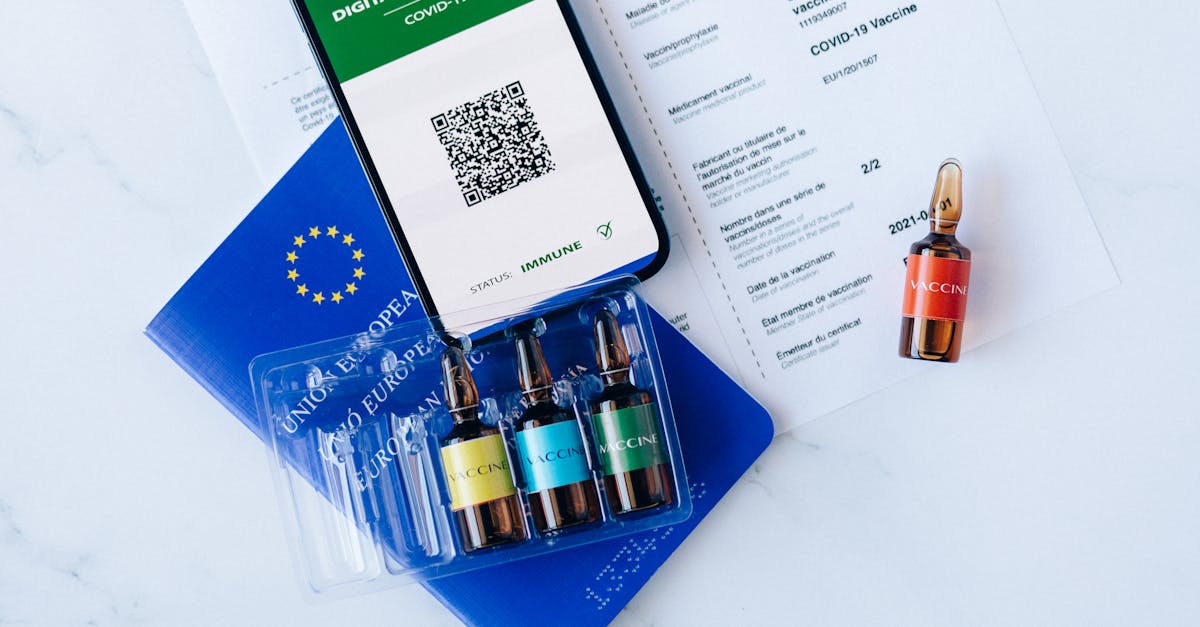
Planning a trip to Bali or elsewhere in Indonesia? You're in for an incredible journey—but before you head to the beach or jungle, it's worth spending an afternoon thinking about travel health, vaccinations, and disease prevention. Mosquitoes, contaminated water, and infectious diseases like hepatitis and typhoid are genuine concerns, but they're also preventable with the right preparation. At Kingfisher Pharmacy in Wakefield, we help travellers get their jabs sorted weeks before departure, so you can focus on the fun parts of your holiday.
This guide covers the key health precautions for Indonesia—routine vaccines, disease-specific jabs, mosquito prevention, and how to avoid traveller's diarrhoea. But remember: this is general information only. For advice tailored to your exact itinerary and personal health circumstances, always speak to your pharmacist or GP.
Routine Vaccinations First
Start by checking that your childhood vaccinations are up to date. Diphtheria, tetanus, polio, and MMR (measles, mumps, rubella) are essential baselines for any international trip, and Indonesia is no exception.
If you're unsure what you've had, we can check your NHS records. Most Wakefield GPs share vaccination history digitally now, so a quick call to your surgery or a visit to Kingfisher can clarify within 24 hours. It sounds dull, but it's the foundation for everything else.
Vaccines Recommended for Indonesia
Hepatitis A
Hepatitis A spreads through contaminated food and water—common in Indonesia, including the tourist areas of Bali. The good news: it's completely preventable with a vaccine.
You'll need two doses of the hepatitis A vaccine, usually given 6–12 months apart. If your trip is soon, the first dose gives some protection immediately, and we can schedule the second for when you return or for a future trip.
Hepatitis B
Hepatitis B is endemic across Indonesia. If you're doing a short beach holiday and staying at resorts, your risk is lower. But if you're staying longer than a month, might need medical or dental work, or plan to be around blood, body fluids, or have tattoos done, hepatitis B vaccination is sensible.
The course takes two or three doses depending on the vaccine type. Speak to your pharmacist about whether it's right for your specific situation.
Typhoid
Typhoid spreads the same way as hepatitis A—through contaminated food and water. It's more common in rural areas and during the monsoon season, but it's worth considering even for city-based travellers, because street food and ice from unknown sources are risks.
One injection provides protection for 2–3 years. It's quick, and we stock it at Kingfisher.
Rabies
This one depends entirely on your itinerary. Rabies is present in Indonesia, carried by dogs, monkeys, and bats. If you're planning trekking, visiting the Monkey Forest in Ubud, or spending time in rural areas, pre-exposure rabies vaccination can be worthwhile.
Pre-exposure vaccination doesn't mean you won't need treatment if bitten or scratched. You would still need to seek medical care urgently. But the course is shorter and simpler if you're already vaccinated.
Japanese Encephalitis
Japanese encephalitis is a mosquito-borne virus found in rural Indonesia. Most short-stay tourists visiting Bali's main resorts won't need this vaccine. But if you're planning to stay in rural areas, particularly during the wet season (November–March), it's worth discussing with your pharmacist.
The timing matters—you ideally need the vaccine 28 days before exposure, so plan ahead.
Mosquito-Borne Illnesses and Prevention
Mosquitoes are arguably Indonesia's biggest health hazard for tourists. Several viruses spread this way: dengue, malaria, Zika, and chikungunya.
Dengue and Mosquito Bite Prevention
Dengue is widespread in Indonesia, including Bali, and there's currently no routine UK vaccine for it. Your best defence is preventing bites.
Use an insect repellent containing DEET (20–30%), reapply it regularly, and wear long sleeves and trousers during peak mosquito hours (dawn and dusk). Loose-fitting, light-coloured clothes are better than tight dark ones. Sleep under a mosquito net if you're in a basic guesthouse, and use air conditioning when available.
It sounds fussy, but dengue infection is genuinely unpleasant—high fever, severe joint pain, rash. Prevention is much easier than treatment.
Malaria
Good news: Bali itself is low-risk for malaria. The bad news: other parts of Indonesia—Papua, parts of Kalimantan, and some areas of Sumatra and Sulawesi—do carry malaria.
If your trip sticks to Bali and main tourist routes, you probably won't need antimalarial tablets. But if you're venturing further, speak to your pharmacist. There are several different antimalarial options, and the right one depends on where you're going and how long you'll be there.
Traveller's Diarrhoea and Water Safety
Stomach troubles are common for UK visitors. Tap water in Bali's resorts has improved, but it's still safest to drink bottled water. Avoid ice from uncertain sources—ask for your drink without ice if you're unsure.
Street food is a highlight of any trip, but choose busier stalls where food is cooked fresh in front of you. Cold uncooked items, salads washed in tap water, and anything that's been sitting around are riskier.
Pack oral rehydration salts and an antidiarrheal medication. Your pharmacist can recommend what suits you. If diarrhoea lasts more than a few days or includes fever or blood, seek medical attention.
Sun, Heat, and Health Safety
Indonesia sits near the equator. The sun is much stronger than Wakefield, and dehydration and heat exhaustion catch visitors out regularly.
Drink more water than you think you need. Use sunscreen SPF 30+, reapply after swimming, and wear a hat. Seek shade during midday (11am–3pm), when the sun is most intense.
If you're planning volcano treks or jungle hikes, take extra care with hydration and build in gradual acclimatisation. Altitude and exertion combined with tropical heat are a genuine risk.
Frequently Asked Questions
Q: I'm leaving for Bali in two weeks. Is it too late to get vaccinated?
A: Not necessarily. Some vaccines work quickly—hepatitis A protection starts within days of the first dose. Typhoid works immediately. Japanese encephalitis needs more time. Book a consultation now, and we'll recommend what's possible. Ideally, book travel vaccinations 6–8 weeks before departure, but even partial protection is better than none.
Q: Do I need rabies vaccination if I'm staying at a resort?
A: Unlikely, unless you're planning activities involving animals. If you're hiking, visiting wildlife attractions, or spending time in rural areas, it's worth considering. Most resort-based holidays don't require it. Discuss your itinerary with your pharmacist.
Q: Is malaria a risk in Bali?
A: Bali itself is very low-risk, and we don't usually recommend antimalarials for Bali-only trips. If your itinerary includes Papua, Kalimantan, Sumatra's eastern regions, or Sulawesi, the risk is higher. Let us know where you're going, and we'll advise accordingly.
Q: Can I get all my travel vaccines at once?
A: Many can be given on the same visit—some as separate injections, some combined. However, certain vaccines work better if spaced apart. Your pharmacist will plan a schedule tailored to your trip dates.
Q: What about other Southeast Asian destinations?
A: Similar health considerations apply across Southeast Asia. We've written guides for travel to the Philippines, travel to Vietnam, and travel to Sri Lanka. If you're exploring other regions, we also have resources for travel health in Jordan and Caribbean travel health.
Q: Should I buy travel insurance that includes medical evacuation?
A: Yes. Travel insurance with medical coverage is essential. Not all Indonesian hospitals meet UK NHS standards, and serious illness might require evacuation to Singapore or Australia. It's worth the cost.
Q: What if I get sick during my trip?
A: Contact your travel insurance provider immediately and seek medical advice. In Bali, reputable private hospitals like Bali International Medical Centre (BIMC) and Siloam are well-equipped. Carry a copy of your vaccination records and a list of your medications. When you return to Wakefield, let your GP know about any serious illness so they can provide appropriate follow-up care.
Book Your Travel Health Consultation
Six weeks might sound early, but it's genuinely the sweet spot for travel vaccines. At Kingfisher Pharmacy, we'll review your itinerary, check your vaccination history, and plan a jab schedule that works for you.
Visit us at 192 Kirkgate in Wakefield city centre, or call 01924 291898 to book your travel health consultation. You can also speak to our team in store about what to pack in your travel health kit—not just vaccines, but remedies for diarrhoea, sunscreen, insect repellent, and more.
Indonesia is incredible. Get your health sorted, and you'll enjoy it properly.
This article is for general information only and does not constitute medical advice. Always consult your pharmacist or GP for personalised travel health guidance.