World Mental Health Day: How Your Wakefield Pharmacy Can Help
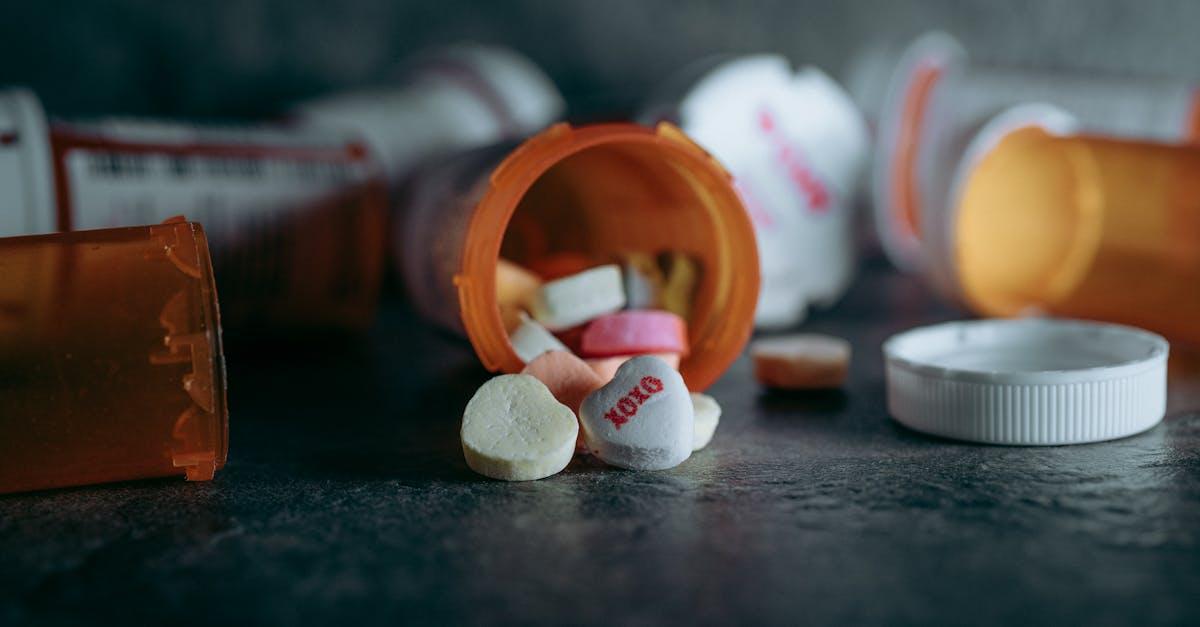
World Mental Health Day falls on 10 October each year, and it's a reminder that mental health is just as important as physical health. For people in Wakefield, your community pharmacy is often one of the most accessible places to talk about your wellbeing. Whether you're experiencing anxiety, low mood, or struggling to manage medication for a mental health condition, your Kingfisher Pharmacy team—based at 192 Kirkgate in Wakefield town centre—is here to listen and help you find the right support.
This guide explores how your Wakefield pharmacy can support your mental health, what signs to watch for, and where to find help locally.
Why Mental Health Matters
Mental health affects everyone. According to Mind, the mental health charity, around one in four people in the UK experience a mental health problem in any given year. Conditions like anxiety, depression, and stress are far more common than many people realise—yet stigma and embarrassment still keep us quiet about how we're really feeling.
The impact goes beyond mood. Poor mental health affects your relationships, work performance, sleep quality, and even how your body functions. If you're struggling, it's not a personal failing. It's a health issue, and it deserves care and support like any other condition. Understanding mental health challenges is the first step toward getting help.
Your Pharmacist Is Here to Listen
Unlike your GP—where you might wait weeks for an appointment—your pharmacist is available now. No appointment needed. If you're feeling low, anxious, or overwhelmed, you can walk into Kingfisher Pharmacy and ask to use our private consultation room.
Pharmacists cannot diagnose mental health conditions, but we can do a lot:
- Offer a confidential space to talk, without judgment
- Help you understand your options and next steps
- Signpost you to your GP or local mental health services
- Advise on medication if you're already being treated
- Help you recognise when professional support is needed
- Listen carefully to your concerns
Often, just talking to someone who listens—really listens, without trying to fix everything in five minutes—can feel like a weight lifted. We're trained to ask the right questions and point you in the right direction. Men's mental health concerns are particularly common, and we encourage everyone to speak up.
Managing Your Mental Health Medication
If you're taking antidepressants, anti-anxiety medication, or other treatments for mental health, your pharmacist plays an ongoing role in your care. We help you:
- Understand how your medication works and what to expect
- Manage side effects and know when to report them to your GP
- Keep track of repeat prescriptions so you don't run out unexpectedly
- Know what to do if you miss a dose
- Make any changes safely—never stop medication without speaking to a pharmacist or GP first
Many people worry about becoming dependent on mental health medication, or they stop taking it as soon as they feel better. That's understandable, but it's important to make changes under professional guidance. Your pharmacist and GP will advise when it's safe to adjust your dose or stop. If you have concerns about your medication, speak to us before making any changes.
Recognising the Signs—and When to Seek Help
It's not always easy to notice when your mental health is struggling. Some common signs include:
- Persistent low mood, sadness, or a sense of emptiness
- Feeling anxious, worried, or irritable much of the time
- Sleeping too much or too little, or poor sleep quality
- Withdrawing from friends, family, or activities you usually enjoy
- Loss of interest in hobbies, work, or things that normally bring you joy
- Difficulty concentrating or making decisions
- Changes in appetite or weight
- Feeling hopeless, overwhelmed, or trapped
- Physical symptoms like aches and pains with no obvious cause
If you notice these in yourself, that's not weakness—it's a signal to reach out. If you notice them in someone you care about, a gentle conversation can open a door. Asking "I've noticed you seem quieter lately—is everything okay?" and then actually listening is often enough to help someone feel less alone.
Frequently Asked Questions
Can my pharmacist diagnose a mental health condition? No, pharmacists cannot diagnose. But if you describe what you're experiencing, we can help you understand whether it might be worth talking to your GP and refer you to the right services. A diagnosis should always come from your GP or a mental health specialist.
What should I do if I'm in crisis or having thoughts of self-harm? Please reach out immediately. You can contact the Samaritans on 116 123 (24/7, free, and confidential), or call 999 if you need emergency help right now. Your GP can also arrange urgent mental health support. Don't wait.
How do I access NHS Talking Therapies in Wakefield? Your GP can refer you, or you can self-refer directly without a GP appointment. This free service offers counselling and psychological therapies—you don't need permission to access it.
What if I'm worried about a friend or family member who's struggling? Start a conversation. Ask how they're really doing and listen without trying to "fix" it immediately. If they're struggling, gently suggest they speak to their GP or ring a helpline. Sometimes just knowing someone cares is what makes the difference.
Are there side effects with mental health medication? Yes, some people experience side effects—anything from mild (headache, nausea) to more bothersome (weight changes, sleep disruption). Many settle in the first few weeks, but it's important to speak to your pharmacist or GP if they don't improve. Never stop taking medication because of side effects without professional advice.
What's the link between physical activity and mental health? Regular activity—even a 20-minute walk—can improve mood, reduce anxiety, and help you sleep better. Wakefield's parks and Parkrun groups are great local ways to stay active. Physical and mental health are deeply connected.
What about mental health in older age? Mental health challenges affect people of all ages. Older adults may face specific issues like isolation, bereavement, or health changes. If you're caring for someone older, watch for signs of low mood and encourage them to speak to their GP or pharmacist.
When should I see a GP rather than speak to my pharmacist? A pharmacist is a great first port of call. See your GP if symptoms persist beyond a few weeks, if you're struggling to cope with daily life, if you have thoughts of self-harm, or if you want to start medication. We'll refer you if needed.
Local Support in Wakefield
You're not alone in Wakefield. Excellent mental health services are available:
- NHS Talking Therapies: Free, confidential counselling available through the NHS. You can self-refer directly or ask your GP.
- Samaritans: Call 116 123 anytime (24/7, free, confidential).
- Mind: Information and support at 0300 123 3393, or visit mind.org.uk.
- CALM (Campaign Against Living Miserably): Free helpline for men on 0800 585858.
- Your GP: A starting point for ongoing support, medication, or urgent referrals.
Your pharmacist at Kingfisher can help point you toward the right service if you're unsure where to start. And we're here to listen in the meantime.
Talking About Mental Health Matters
Breaking stigma by talking openly about mental health—whether on World Mental Health Day or any other day—helps others feel safe doing the same. Small conversations can make a real difference. If you've struggled with mental health yourself, sharing that experience (if you're comfortable) can help someone else realise they're not alone.
Looking after your mental health is an ongoing process. Daily habits matter: a regular walk, time with people you trust, good sleep, limiting alcohol, and spending time in nature—these small steps add up. Wakefield's accessible green spaces and community make it easier to build these habits.
If You're Struggling, We're Here
World Mental Health Day reminds us that this matters. But you don't need to wait for 10 October. If you're struggling today—or if someone you care about is—come and see us at Kingfisher Pharmacy at 192 Kirkgate in Wakefield. We listen. We understand. And we'll help you find the right support.
Your mental health is important. You deserve care.
If you're in crisis, please contact the Samaritans on 116 123 or call 999 for emergency help. This article is for general information only and does not constitute medical advice. Always speak to a pharmacist or GP before starting, stopping, or changing any medication.