Rabies Vaccination for Travellers: When Is It Worth Getting?
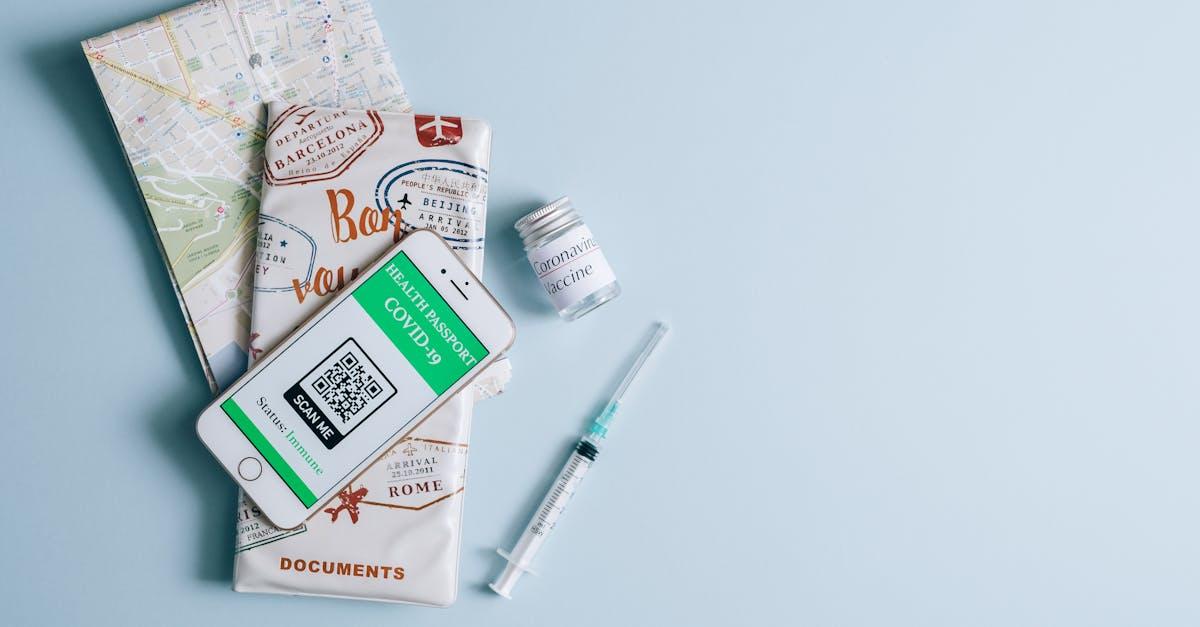
Rabies vaccination for travellers is worth getting if you're heading to regions where the disease is common — and understanding when to get it could be one of the most important health decisions you make before you travel. Rabies is rare in the UK, but in parts of Asia, Africa, and South America, it remains a genuine risk for anyone who might encounter an animal. For Wakefield travellers heading to these destinations, pre-exposure vaccination offers a significant safety advantage.
What Is Rabies?
Rabies is a viral infection that attacks the central nervous system. It is almost always transmitted through the bite or scratch of an infected animal — most commonly dogs, but also cats, monkeys, bats, and other mammals.
Once symptoms appear, rabies is almost always fatal. This is not said to frighten you, but to be clear: rabies is serious. The good news is that rabies is entirely preventable if you prepare beforehand and act quickly if an exposure does occur. Prevention comes in two forms: vaccination before travel, and immediate medical care after a potential bite.
Where Do Travellers Face the Greatest Risk?
Rabies is found on every continent except Antarctica, but the risk to travellers is highest in:
- South and Southeast Asia (India, Thailand, Vietnam, Cambodia, Nepal, Indonesia)
- Sub-Saharan Africa
- Central and South America
- Parts of China and the Middle East
In many of these countries, stray dogs are the primary source of rabies. Monkey bites at temples and tourist attractions are also common — particularly in destinations like Thailand and Sri Lanka. If you're planning travel to these regions, a conversation with a pharmacist about your specific itinerary is worthwhile.
The UK, Western Europe, Japan, Australia, and New Zealand are considered rabies-free, so the risk for most local trips is non-existent.
What Is Pre-Exposure Rabies Vaccination?
Pre-exposure vaccination is a course of three injections given over 21 to 28 days, usually before you travel. It does not make you fully immune to rabies. Instead, it does something equally valuable: it simplifies and speeds up the treatment you would need if you were bitten or scratched by a potentially rabid animal.
Once your three-dose course is complete, you have a foundation of protection that lasts for years. If you travel regularly to high-risk areas, you may choose booster doses to maintain that protection.
Why Pre-Exposure Vaccination is Worth Considering
You might ask: "If it doesn't make me fully immune, why get vaccinated at all?" Here's the practical answer:
Simpler post-exposure treatment. If you are bitten and have been vaccinated, you need only two further doses of vaccine and no rabies immunoglobulin (RIG). Without pre-exposure vaccination, you need a full post-exposure course plus RIG — and that's where problems arise.
Speed. After a bite, you must begin treatment immediately. If you're trekking in Nepal or cycling through rural Vietnam, reaching a medical facility with the right supplies can take days. Pre-exposure vaccination gives you more time to get help safely.
Supply. Rabies immunoglobulin is scarce in many countries. If you are bitten in a remote location and haven't been vaccinated, obtaining the full post-exposure course can be extremely difficult — and delays can be dangerous.
The pre-exposure course at Kingfisher costs £65 per dose, for a total of £195 for the complete course. For the peace of mind and practical protection it offers, many travellers find this a worthwhile investment.
Who Should Get Pre-Exposure Vaccination?
Pre-exposure vaccination is commonly recommended for:
- Travellers to high-risk countries, especially in Asia and Africa
- Trekkers, cyclists, and adventure travellers spending time in remote areas
- Long-stay travellers and expatriates
- People planning to work with animals
- Children, who are more likely to approach animals and less likely to report a bite
- Anyone whose itinerary makes quick access to medical care difficult
Even if you're on a standard holiday, speak to a pharmacist about your specific destination — particularly if you'll be in urban areas with stray dogs, or visiting temples and wildlife sites.
What to Do If You're Bitten Abroad
Whether or not you've been vaccinated, any bite, scratch, or animal contact with broken skin requires immediate action:
- Wash the wound thoroughly with soap and running water for at least 15 minutes.
- Apply an antiseptic if available.
- Seek medical attention immediately — do not wait to see if symptoms develop.
- Contact your travel insurance provider for the nearest appropriate medical facility.
Do this even if the animal appeared healthy. Many infected animals show no obvious signs of illness.
Planning Your Vaccination
The three-dose course takes 21 to 28 days, so aim to start at least a month before departure. If your trip is sooner, speak to your pharmacist — accelerated schedules may be possible depending on your destination and the specific vaccine.
We can book your travel health consultation at Kingfisher Pharmacy and discuss whether pre-exposure vaccination is right for your trip. We also offer other travel vaccines including Hepatitis A and B, Typhoid, Japanese Encephalitis, and Meningitis ACWY. If you're heading to specific destinations, we can advise on vaccination needs — whether you're travelling to Vietnam, Egypt, Peru, Morocco, or anywhere else.
Frequently Asked Questions
Is rabies vaccination available on the NHS? Rabies vaccination for travel is not available on the NHS — it's a private service. Your pharmacist will explain the cost before you commit. At Kingfisher, we charge £65 per dose for the three-dose course.
How long does the pre-exposure course take? The standard course is three injections over 21 to 28 days. We recommend starting at least a month before travel. If your departure is sooner, speak to us about options.
Does pre-exposure vaccination make me fully immune? No, but it significantly simplifies post-exposure treatment. With pre-exposure vaccination, you need only two booster doses after exposure. Without it, you need a longer course plus rabies immunoglobulin, which may be difficult to obtain abroad.
Can children get the vaccine? Yes, children can and should be vaccinated if travelling to high-risk areas. Children are more likely to approach animals and less likely to report bites, so pre-exposure vaccination is especially worthwhile for families.
How long does the protection last? The initial three-dose course provides protection for many years. If you travel regularly to rabies-risk areas, booster doses are recommended — speak to your pharmacist about the right schedule for you.
What happens if I'm bitten and haven't been vaccinated? Seek medical attention immediately. You will need a full post-exposure course, including rabies immunoglobulin (RIG). This is available in many countries, but supply can be limited in remote areas — which is why pre-exposure vaccination is so valuable.
Which destinations actually need rabies vaccination? The highest-risk regions are South and Southeast Asia, Sub-Saharan Africa, and Central/South America. Even within these regions, risk varies by activity and how much time you'll spend in remote areas. Speak to a pharmacist about your specific itinerary.
Can I get the vaccine if I'm pregnant or breastfeeding? Speak to your pharmacist or GP before travel if you're pregnant or breastfeeding. Rabies vaccination is important, but timing and individual circumstances matter.
Ready to discuss rabies vaccination for your trip? Pop into Kingfisher Pharmacy at 192 Kirkgate in Wakefield city centre, or call 01924 291898. We'll assess your destination, timeline, and specific risk — and help you decide whether pre-exposure vaccination is right for you.