Travel Health: Vaccinations and Tips for Visiting Greece
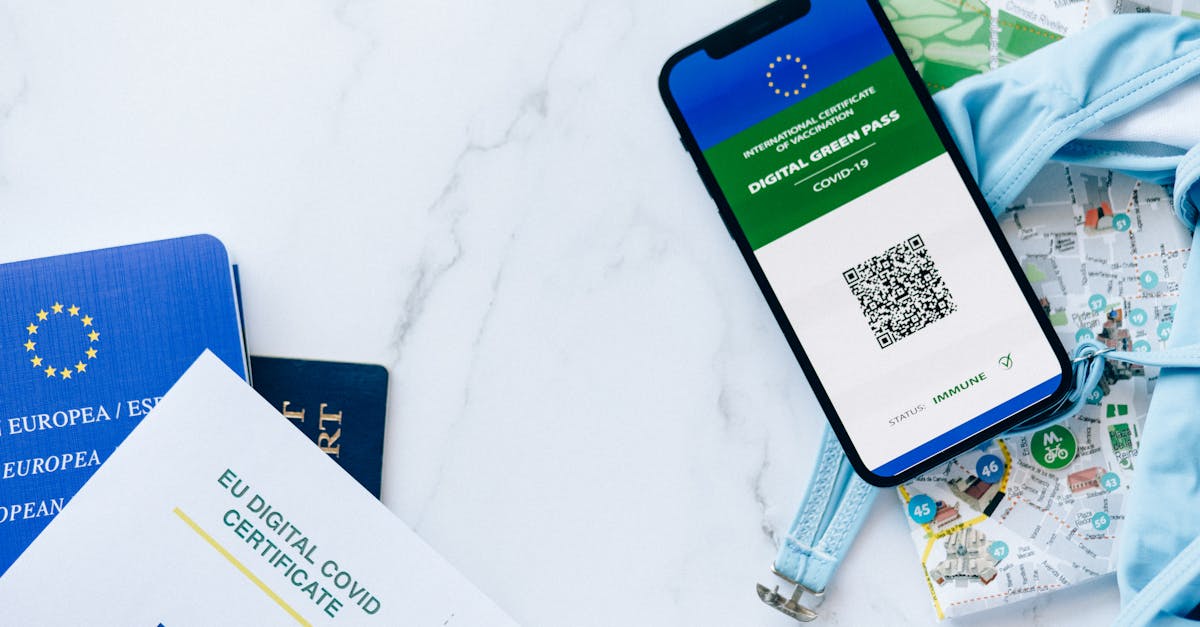
Planning a trip to Greece from Wakefield? Whether you're heading to the sun-soaked islands or exploring the mainland, travel health vaccinations and tips for visiting Greece are worth a few minutes of your time. Good news: Greece is generally a low-risk destination for UK travellers. But that doesn't mean arriving unprepared. We'll walk you through the key health preparations — including which vaccinations to consider, practical tips for staying well, and how to manage medicines abroad — so you can focus on enjoying the history, culture, and beaches instead of worrying about what you should have done before you left.
Before You Go: Routine Vaccinations
The first step is to check your routine UK vaccinations are up to date. These aren't just for children — many adults haven't had a booster for years, or simply don't remember what they've had.
Your routine vaccination schedule protects you against tetanus, diphtheria, polio, and measles, mumps, and rubella (MMR). These diseases are not common in Greece, but you could pick them up anywhere in Europe, or bring them back to the UK. It's simply good practice to be covered.
If you're unsure of your vaccination history — and many people are — your GP practice or a pharmacist can check your NHS records. It takes five minutes and could save you a lot of trouble. Speak to your pharmacist or GP to review your routine vaccinations before you travel.
Do You Need Vaccinations for Greece?
Greece does not require any mandatory vaccinations for entry from the UK. However, the word "mandatory" is doing the heavy lifting here — it doesn't mean vaccinations aren't worth considering.
Hepatitis A is the most commonly recommended for Greece. It's spread through contaminated food and water, and while the risk is low in modern hotels and tourist restaurants, it rises if you're eating at smaller, local establishments, hiking in rural areas, or staying longer than a week or two. One course of Hepatitis A vaccine typically covers you for life, so it's worth discussing with your pharmacist or GP, especially if you're planning to venture beyond the typical tourist trail.
Hepatitis B is something to think about if you're staying for an extended period (more than 6 months), or if you anticipate medical or dental work abroad. Again, it's not essential for a typical two-week holiday in Greece, but worth mentioning to a travel health professional.
Tick-borne encephalitis exists in parts of mainland Greece, particularly in wooded, rural, or mountainous regions. If your trip includes hiking in these areas, or camping outdoors, a chat with your pharmacist or GP is sensible. [Speak to a travel health professional to discuss whether this is relevant to your specific plans.]
Like many travel health topics, individual circumstances vary — a family spending two weeks in Rhodes faces different considerations from a solo traveller hiking in the Peloponnese for a month. If you're heading somewhere with more complex health requirements, you might also want to explore travel health guides for Egypt or Caribbean destinations to compare the level of preparation needed. That's why a conversation — not a checklist — is the right approach. We offer travel vaccinations at Kingfisher Pharmacy in Wakefield, and we're happy to discuss your specific itinerary.
Practical Health Tips for Greece
Greece in summer is hot — really hot. July and August regularly see temperatures above 35°C. If you're not used to this, heat exhaustion, dehydration, and sunburn are genuine risks. This isn't scaremongering; it's just the reality of Mediterranean summers.
Sun and heat. Wear sunscreen (SPF 30+), reapply often, and don't skip the midday sun if you can avoid it. Drink water constantly — more than you think you need. If you're taking any regular medication, ask your pharmacist whether heat or sun exposure affects how it works or how it should be stored. Some medicines are sensitive to temperature; it's worth knowing before you pack.
Stomach health. Traveller's diarrhoea can happen anywhere, and Greece is no exception. Stick to bottled water, be cautious with ice in drinks, and choose freshly prepared food from busy, well-reviewed restaurants. Raw or undercooked shellfish is a risk, particularly in summer. If you do experience stomach problems, over-the-counter remedies can help, but if it persists for more than a few days, or you have blood in your stools, seek local medical advice rather than trying to push through.
Insect-borne illnesses. Mosquitoes are active in Greece, particularly near coasts or wetlands. Use insect repellent (DEET-based, 20–30%), wear long sleeves at dawn and dusk, and consider a mosquito net if you're staying somewhere without air conditioning or screens. If you're planning a longer tropical journey — say, to the Maldives or Bali — insect protection becomes even more critical.
Managing Prescription Medicines Abroad
If you take regular medication, plan ahead.
Pack enough. Bring enough to cover your entire trip, plus a small buffer in case of travel delays. Prescription medicines can be difficult or impossible to obtain in Greece if they're not available under their Greek name or equivalent.
Keep original packaging. Carry medicines in their original pharmacy containers with your name and dosage clearly labelled. Also keep a copy of your prescription or a letter from your GP stating what you take, why, and the dose. This helps at border control and if you need emergency refills.
Check beforehand. Some medications available on prescription in the UK have different regulations or brand names in Greece. Before you leave, speak to your pharmacist — they can advise whether your specific medicines are available, and what documentation you might need. This is especially important if you're taking controlled medicines (painkillers, anxiety medication, stimulants).
Storing medicines. Remind your pharmacist if you're concerned about heat or humidity affecting your medicines. They can advise on storage — some need to stay cool, others don't. A small portable cool bag can be helpful if you're taking temperature-sensitive drugs.
Travel Insurance and Healthcare Cards
Travel insurance is essential — not optional. Medical treatment abroad, even in EU countries, is expensive. A serious injury or illness could cost thousands of euros without proper cover.
Make sure your policy covers any pre-existing conditions you have, and includes medical repatriation (air ambulance home, if needed). Read the fine print. The cheapest policy isn't always the best.
Your European Health Insurance Card (EHIC) or UK Global Health Insurance Card (GHIC) gives you access to state-funded healthcare in Greece on the same terms as Greek citizens. However, it does not cover everything — prescriptions, dental care, and repatriation are often not included. Check the government's guidance on healthcare costs in the EU for the latest rules. Think of it as a safety net, not a substitute for travel insurance. You need both.
Planning Your Travel Health Appointment
The ideal time to book a travel health appointment is 4–6 weeks before you leave. This gives time for vaccinations to take effect (some require multiple doses spaced weeks apart) and allows for any follow-up appointments if needed.
We're here to help at Kingfisher Pharmacy, 192 Kirkgate, Wakefield. Call us on 01924 291898 or pop in to discuss your Greece trip. We can review your vaccination history, talk through the specific concerns for your itinerary, and make sure you have everything sorted before you travel. Our team has experience with travellers heading to Greece and across Europe. If you're heading further afield — to Japan, Croatia, or other destinations — the same approach applies: a few weeks' planning makes all the difference.
Frequently Asked Questions
Can I get travel vaccinations done privately at a pharmacy? Yes. Many of the travel vaccines recommended for Greece — Hepatitis A, Hepatitis B, Typhoid, and others — can be given privately at a pharmacy. Some are available on the NHS (for certain healthcare workers, for example), but most travellers will need to pay privately. Your pharmacist can quote you and book an appointment.
Is Greece safe to visit from a health perspective? Greece is very safe from a health perspective. Healthcare is modern and reliable, and the risk of serious illness for most UK travellers is low. That said, being prepared — checking your routine vaccinations, having travel insurance, and following basic food and sun safety — takes stress out of the holiday. Speak to your pharmacist if you have specific health concerns about your trip.
What if I don't have time for vaccinations before I leave? Some vaccines take effect immediately (Hepatitis A, Typhoid), while others require multiple doses weeks apart (Hepatitis B). If you're leaving in a week or two, some protection is better than none, but ideally book your travel health appointment as soon as you've booked your flights. If you're leaving very soon, a pharmacist can still advise you on other precautions.
Can I get vaccines at the destination if I forget? Technically, yes — Greece has pharmacies and medical clinics. But it's much easier, cheaper, and less stressful to sort it beforehand. You'll also have time to follow through on any multi-dose schedules.
Will my prescription medications work the same in Greece as they do at home? Almost certainly yes — medications follow the same chemistry regardless of borders. However, dosing, formulations, and brand names can differ slightly between countries. The important thing is to bring enough from home and have documentation in case you need an emergency refill. Speak to your pharmacist before you travel about any concerns.
Do I need a letter from my doctor to travel with my medicines? Technically, a prescription or a letter from your GP helps at customs or if you need to explain what you're carrying. It's not always required, but it's a sensible precaution for controlled medicines. Your pharmacist or GP can provide one on request.
Is the NHS travel clinic the only option for travel vaccines? No. NHS travel clinics are free or low-cost if you qualify, but waiting times can be several weeks. Private travel clinics and high-street pharmacies often have appointments within days. We can often fit you in sooner — partly because we're independent, partly because we're not pretending it's a bigger appointment than it is. Compare the waiting time and cost, and choose what works for you.
What should I pack in my travel medicine kit for Greece? At minimum: sunscreen, insect repellent, any regular prescription medicines, painkillers (paracetamol or ibuprofen), antihistamine cream for bites, and anti-diarrhoea medication. If you're prone to ear infections (common in swimmers), an antibiotic ear drop is useful. If you suffer from migraines or hay fever, bring your usual remedy. For anything prescription-only, speak to your pharmacist before you leave.
Ready to Travel?
Travel health vaccinations and advance preparation don't take long, but they make a real difference to peace of mind. A few weeks before your trip to Greece, pop into Kingfisher Pharmacy in Wakefield and let's make sure you're ready. Safe travels.