Travel Health: Preparing for a Trip to Japan from Wakefield
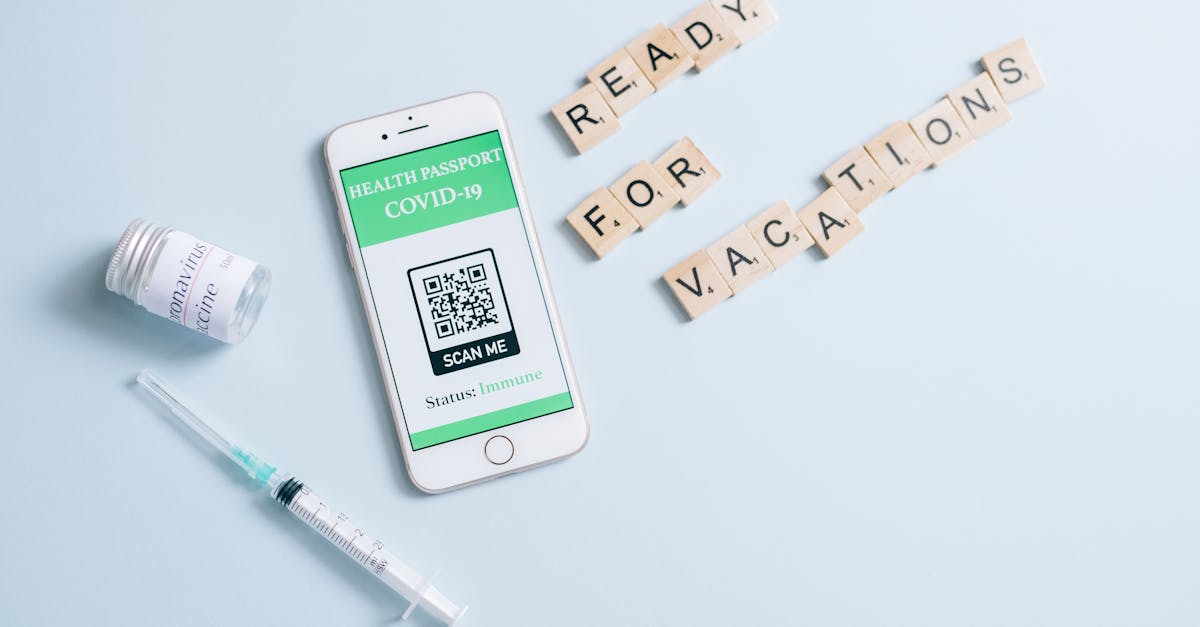
Japan is a destination that sits high on many Wakefield travellers' wish lists. From the neon-lit streets of Tokyo to the serene temples of Kyoto, the snow-capped peak of Mount Fuji to the tropical beaches of Okinawa, Japan offers an extraordinary range of experiences. If you're planning travel health for a trip to Japan, there are several important preparations to make before you depart.
While Japan is a modern, highly developed country with excellent healthcare infrastructure, preparing your health before you travel is still important. Here's what Wakefield residents should consider.
Routine Vaccinations
Your first step in preparing for travel health to Japan is to ensure your routine UK vaccinations are up to date. This includes tetanus, diphtheria, polio, and MMR (measles, mumps, and rubella).
Japan has experienced measles outbreaks in recent years, so ensuring your MMR vaccination is current is particularly important. If you're unsure of your vaccination status, speak to your pharmacist or GP. We can help you check your records and advise on what boosters you might need.
Additional Vaccinations to Consider
Japan doesn't require any mandatory vaccinations for entry from the UK. However, depending on your itinerary and the nature of your trip, there are several additional vaccinations worth discussing with a travel health professional.
Hepatitis A (£55) is worth considering, as it can be contracted through contaminated food or water. The vaccine is effective and provides long-term protection.
Hepatitis B (£45 per dose) may be relevant if you anticipate any medical or dental treatment while abroad, or if your trip involves activities that could expose you to blood or bodily fluids.
Japanese encephalitis (£85 per dose) is transmitted by mosquitoes and is present in rural areas of Japan, particularly during summer months. If you plan extended time in rural or agricultural areas, especially during rice-growing season, discussing this vaccine with your pharmacist or GP is sensible. While the risk to most short-term visitors is low, it's worth understanding your personal risk. You can read more about travel vaccination options on NHS Travel Health Pro.
Rabies (£65 per dose) may be worth considering if you plan to travel to remote areas where access to medical facilities might be limited, or if you're likely to be bitten by animals.
Meningitis ACWY (£55) is occasionally recommended, depending on your activities and accommodation.
Individual recommendations depend on your specific itinerary, health history, and activities. You can also check the NHS travel vaccinations guidance, or speak to us at Kingfisher Pharmacy. We can discuss your trip and help you plan the right vaccines for your needs.
Healthcare in Japan
Japan has an excellent healthcare system, but it operates very differently from the NHS. Medical treatment is not free for foreign visitors, and costs can be high—particularly for hospital stays or specialist care.
Comprehensive travel insurance is essential. Make sure your policy covers medical treatment, hospital admission, and repatriation. If you have pre-existing conditions, ensure these are declared and covered by your policy.
It's also worth noting that while medical care in Japan is of a very high standard, English may not always be widely spoken in healthcare settings outside major cities. Having key health information written in Japanese, or using a translation app, can be helpful. Keep your insurance details easily accessible.
Medication Considerations
Japan has strict regulations regarding certain medications. Some substances that are available on prescription in the UK are controlled or prohibited in Japan, including certain stimulant medications and strong painkillers.
If you take regular prescription medication, it is essential to check the regulations before travelling. You can find official guidance on the UK Foreign Office website, or speak to your pharmacist—we can help you navigate the rules and understand what you can and cannot bring.
In some cases, you may need to apply for a Yakkan Shoumei (import certificate) to bring your medication into the country. Your pharmacist can help you understand these requirements and prepare the necessary documentation. We've sorted these before and can do it again.
Always carry medication in its original packaging with the pharmacy label clearly visible, along with a letter from your GP confirming what the medication is and why you take it. Pack medication in your carry-on luggage, not checked baggage.
Safety and Practicalities
Food and water: Tap water in Japan is safe to drink throughout the country. Japanese food hygiene standards are generally very high, and the risk of food-borne illness is low. If you're eating adventurous dishes such as raw fish or street food, normal food hygiene awareness applies.
Natural hazards: Japan is located in an earthquake-prone region and also experiences typhoons during summer and autumn months. While not directly health-related, being aware of natural hazard procedures is important for your safety.
Familiarise yourself with earthquake safety procedures before you travel. Keep an eye on weather forecasts during typhoon season, which typically runs from June to October. Local authorities provide good guidance, and your accommodation should have emergency information available.
Getting Prepared in Wakefield
Start your travel health preparations at least six to eight weeks before departure, particularly if vaccinations are recommended. This allows time for vaccines to take effect and for any documentation to be arranged.
Visit Kingfisher Pharmacy in Wakefield city centre to discuss your travel plans for Japan. Our team can help you understand the health considerations relevant to your trip and ensure you're well prepared. We can arrange vaccinations, check your medication regulations, and help with any documentation you need.
If you're heading to other parts of Asia, you might find our guides helpful too. Check out our advice on travel health for the Philippines, Bali and Indonesia, the Maldives, or Jordan. Many of the preparation steps are similar across destinations, though specific vaccine recommendations vary depending on where you're going.
Frequently Asked Questions
How much will travel vaccines for Japan cost?
Costs vary depending on which vaccines you need. Hepatitis A is £55, Hepatitis B is £45 per dose, Japanese encephalitis is £85 per dose, and Rabies is £65 per dose. If you're eligible for NHS-funded vaccines, some may be free—speak to your pharmacist about your eligibility. We can give you a full breakdown based on your itinerary.
How far in advance should I book my travel health appointment?
We recommend booking six to eight weeks before departure. This allows time for vaccines to take effect (some require multiple doses spaced weeks apart) and for any import certificates to be arranged. If you're leaving sooner, don't panic—come in and speak to us. We can often fit you in at short notice.
Do I need travel insurance for Japan?
Yes, absolutely. Japanese healthcare is excellent but expensive for foreign visitors. A single hospital stay could cost thousands of pounds. Make sure your insurance covers medical treatment, repatriation, and any pre-existing conditions you have. It's worth the small upfront cost for peace of mind.
Can I bring all my regular medications into Japan?
Not necessarily. Some UK medications are controlled or prohibited in Japan. If you take regular prescription medication, check the regulations well in advance. Your pharmacist can help you navigate this and arrange any import certificates if needed. Never assume your medication is allowed—the penalties for bringing prohibited substances can be serious.
Is the tap water safe in Japan?
Yes, tap water is safe throughout Japan. You don't need to buy bottled water unless you prefer it. Japan has excellent water quality standards.
What should I do if I get ill or injured while in Japan?
Seek medical attention immediately and contact your insurance provider. Keep your policy documents and contact details with you. English-speaking support lines are often available through travel insurance. In emergencies, call 110 for police or 119 for ambulance.
Are there any vaccinations I definitely need for Japan?
No mandatory vaccinations are required by law. However, ensuring your routine vaccinations (tetanus, diphtheria, polio, MMR) are up to date is important. Additional vaccines depend on your itinerary and activities. Speak to your pharmacist to work out what's right for you.
How long does Japanese encephalitis vaccine protection last?
This depends on the vaccine used and your personal circumstances. Some formulations offer lifelong protection after a full course; others may require boosters. We'll advise you on the duration and any boosters you might need in future.