Travel Health for Egypt: Vaccinations and Tips for Wakefield Travellers
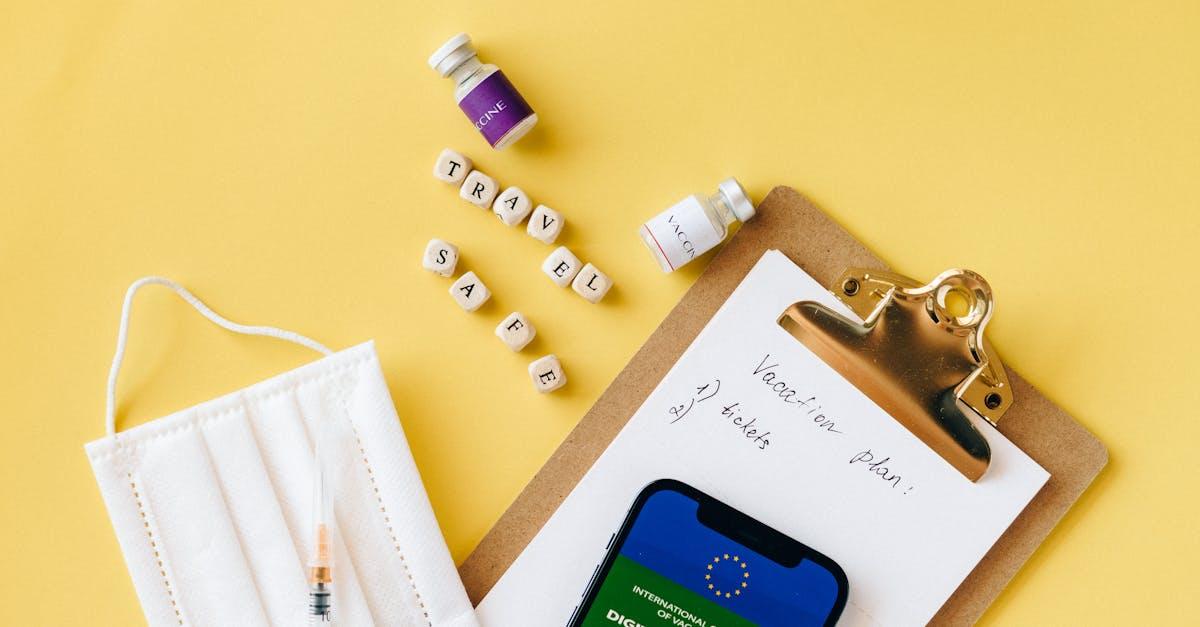
Heading to Egypt for a holiday? Whether you're visiting the Red Sea resorts of Sharm el-Sheikh or Hurghada, exploring ancient temples, or cruising the Nile, travel health for Egypt is worth thinking through before you go. This guide covers the vaccinations and health tips that Wakefield travellers should consider.
For personalised advice on your itinerary and medical history, book a consultation with a travel health professional before departure.
Vaccinations for Egypt
Most travellers benefit from vaccination against certain diseases.
Hepatitis A
Hepatitis A is the most commonly recommended vaccination for Egypt. The virus spreads through contaminated food and water. A single dose provides protection (immunity takes 2–4 weeks to develop fully). A booster after 6–12 months extends protection for at least 10 years. Like other travel destinations with similar risks (the Philippines, for example), this vaccination is essential.
Typhoid
Typhoid is another food and waterborne illness, especially if eating outside major resort hotels or visiting rural areas. The vaccine is usually a single injection. Protection begins 7–14 days after vaccination.
Hepatitis B
Hepatitis B spreads through blood and bodily fluids. You may need it if staying for an extended period, planning adventure activities (like diving or trekking), or might need medical treatment abroad. The course takes 6 months to complete, so early booking is important. This applies whether you're heading to Egypt or other long-haul destinations like Sri Lanka.
Rabies
Rabies is present in Egypt. Pre-exposure vaccination is worth discussing if you plan rural travel, might interact with animals, or are going to remote areas where medical care is limited.
Routine Vaccinations
Check that you're up to date on diphtheria, tetanus, polio, MMR, and whooping cough. Your travel health service can review your vaccination record and advise on boosters.
Health Risks Beyond Vaccination
Sun, Heat, and Dehydration
Egypt's heat is no joke — summer temperatures exceed 40°C. UK travellers often underestimate heat exhaustion and sunburn. Stay safe by drinking 2–3 litres of water daily, applying SPF 50+ sunscreen regularly, avoiding direct sun between 11am and 3pm, and wearing lightweight clothing. Watch for heat exhaustion signs: dizziness, nausea, headache, weakness.
This applies to hot destinations generally. Whether you're heading to the Caribbean or elsewhere, dehydration happens faster than you'd expect.
Traveller's Diarrhoea
Stomach upsets are common but preventable.
Do:
- Drink bottled or purified water only
- Avoid ice
- Eat freshly cooked food served hot
- Peel fruit yourself
- Choose busy restaurants
Avoid:
- Tap water
- Salads and raw vegetables washed in tap water
- Food sitting at room temperature
- Undercooked meat or seafood
If you get a stomach upset, rehydration is the priority. Oral rehydration sachets are essential — ask your pharmacist. Most cases resolve in 24–48 hours. We've seen this issue across all our travel health consultations, from Egypt to Vietnam and beyond.
Mosquito-Borne Illness
Malaria risk is low in main tourist areas, but dengue and West Nile virus are possibilities. Use insect repellent with 20–30% DEET, especially at dusk and dawn. Wear long sleeves and trousers in the evenings. Sleep under a mosquito net if your accommodation doesn't have effective air-conditioning.
Unlike some tropical destinations (like the Maldives), malaria is not a major concern in Egypt's tourist zones.
Swimming and Water Activities
The Red Sea is spectacular for snorkelling and diving. Wear sturdy water shoes to protect against coral cuts and sea urchins. Ask locals about current conditions. Never touch coral — it's fragile and can cause infections.
Building Your Travel Health Kit
A simple kit makes a real difference:
- Sun protection: high-SPF sunscreen, lip balm with SPF, after-sun lotion
- Insect repellent: 20–30% DEET for skin, permethrin spray for clothing
- Stomach remedies: oral rehydration sachets, antacid tablets
- Pain and fever relief: paracetamol or ibuprofen
- First aid: plasters, antihistamine cream, antiseptic wipes, tweezers
- Regular medications: in original packaging with a copy of your prescription
Your pharmacist can help you assemble a kit tailored to your itinerary. Most items are over the counter.
Booking Your Travel Health Appointment
Book at least 6–8 weeks before you travel. This timeline allows vaccinations to take full effect, multi-dose courses to be completed, and prescriptions to be issued in time.
If your trip is sooner, don't panic. Many vaccinations begin protecting within days. A consultation is still worthwhile.
When you book, have your itinerary ready: which regions you're visiting, how long you're staying, what activities you're planning, and your medical history. This helps your travel health professional give you the most relevant advice.
Frequently Asked Questions
Q: Do I need travel insurance? A: Yes. Declare your trip and any existing health conditions. Check that medical emergencies and evacuation are covered.
Q: Can I get Yellow Fever in Egypt? A: No. Yellow Fever is not present in Egypt, though some onward destinations may require proof of vaccination.
Q: What's the difference between Hepatitis A and Typhoid vaccines? A: Both prevent food and waterborne illnesses, but they're caused by different pathogens. Some travellers get both, some just Hepatitis A. Your pharmacist will advise based on your itinerary.
Q: Can I get travel vaccines on the NHS? A: Some are available on the NHS depending on risk and eligibility; most are private. Ask your pharmacist for a full quote.
Q: Is malaria a risk in Egypt? A: Malaria risk is very low in main tourist areas. Most travel health professionals don't recommend antimalarial tablets for standard tourist itineraries.
Q: What if I need medical treatment while in Egypt? A: Major tourist areas have decent hospitals with English-speaking staff. Travel insurance covering evacuation is crucial. Carry a copy of your prescription and a GP letter if you take regular medications, especially controlled medicines.
Q: Can I update my vaccinations if I'm not due? A: Some vaccines (like tetanus) can be brought forward if travelling. Others (like MMR) need standard spacing. Ask your pharmacist — they'll advise on what can be done.
Q: Should I take antimalarial tablets? A: If prescribed, you'll usually start 1–2 weeks before departure, continue during your stay, and finish 4 weeks after you return (depending on the medication). Your pharmacist will give you exact instructions.
Get Your Travel Health Sorted
If you're heading to Egypt from Wakefield, visit us at Kingfisher Pharmacy. We can review your itinerary, check your vaccination history, administer vaccines, and help you prepare a tailored kit.
Book your appointment now — ideally 6–8 weeks before travel — for the best preparation time.