How to Safely Dispose of Unused Medicines in Wakefield
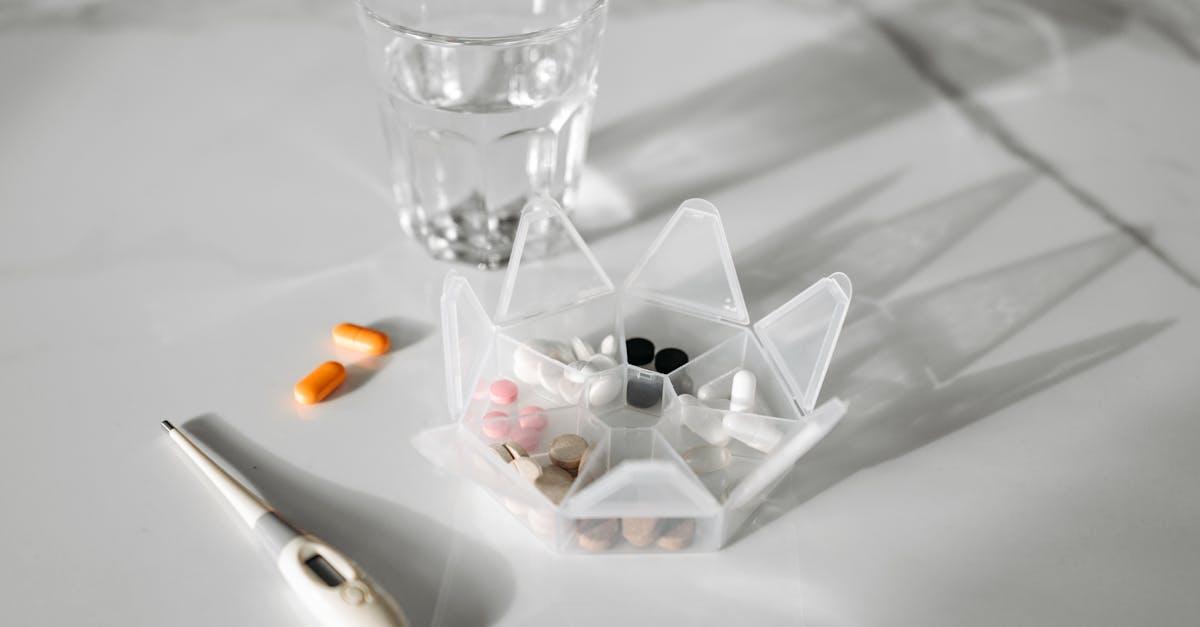
Many Wakefield residents have a surprisingly chaotic medicine cabinet. Old painkillers from last year. Half-finished antibiotics. Creams prescribed for a condition that cleared up months ago. If you're wondering how to safely dispose of unused medicines in Wakefield—or anywhere else—you're in the right place. Putting them in the bin or flushing them down the toilet might seem harmless, but both carry real risks to the environment and to other people in your home. The safe, legal, and responsible way is to return them to your pharmacy.
At Kingfisher Pharmacy on Kirkgate in Wakefield city centre, we handle unwanted medicine disposal every day. Here's why it matters, and exactly what you need to do.
Why Throwing Medicines Away Is Dangerous
It might seem harmless to toss old tablets in the bin or flush them down the toilet, but both methods create problems:
Environmental harm. Medicines that end up in landfill or waterways can contaminate soil, groundwater, and aquatic ecosystems. Active pharmaceutical ingredients don't always break down fully and can persist in the environment. NHS guidance on medicines recommends returning unwanted medicines to a pharmacy rather than disposing of them through household waste or water systems.
Risk to children and pets. Medicines left in household waste can be accessed by children or pets who rummage through the bin. This is particularly dangerous with strong painkillers, sedatives, or other controlled substances—even a small amount can cause serious harm.
Accidental misuse. Leftover prescription medicines that haven't been properly disposed of sometimes end up being used by people for whom they were never intended. This can lead to harmful side effects or drug interactions.
For these reasons, the Medicines and Healthcare products Regulatory Agency (MHRA) and the NHS strongly recommend returning all unwanted medicines to a registered pharmacy.
How to Return Medicines to Your Pharmacy
The process is straightforward.
Just gather any unused, unwanted, or expired medicines and bring them to Kingfisher Pharmacy. We accept:
- Prescription medicines (tablets, capsules, liquids, creams, inhalers)
- Over-the-counter medicines you no longer need
- Expired products
- Partially used courses of medication
Hand them in at the counter—no appointment needed, no questions asked, no judgment. We'll dispose of them safely through a licensed waste disposal process overseen by the pharmacy regulator.
If you're managing multiple prescriptions for yourself or a family member, a regular medicine cabinet review is even more important. It's one of the simplest ways to prevent confusion and medication errors at home.
What About Needles and Sharps?
If you use needles, syringes, or blood glucose lancets—for insulin injections, diabetes monitoring, or other conditions—these must never go in your household bin. They're classified as clinical waste and need proper sharps containers.
Your pharmacy or GP surgery can provide a sharps bin at no cost and arrange collection or return when it's full. If you're unsure about the sharps disposal process in Wakefield, ask your pharmacist when you next visit. This applies to anyone using compliance aids—sharps disposal is part of the bigger picture of medication safety at home.
How to Check and Clear Your Medicine Cabinet
Aim for a review at least once or twice a year. When you do, check for:
- Expiry dates. Medicines past their expiry date may lose effectiveness or, in rare cases, become harmful. Always check the date on the packaging.
- Medicines you no longer take. If your GP has changed your prescription, there's no reason to keep the old ones.
- Medicines prescribed for someone else. Never take medicine prescribed to another person, even if it seems like the same thing.
- Damaged packaging. Torn packaging, unreadable labels, or medicine that looks or smells different should all be returned to your pharmacy.
- Duplicate or spare supplies. If you've recently transferred your prescriptions to a new pharmacy or changed doctors, you may find duplicate items.
A good time to do this review is when the clocks change, or during spring cleaning. Make it a household task so everyone knows where the medicines are and what should stay.
Here's a step-by-step way to sort through your medicines:
- Take everything out. Lay it all on a table so you can see what you have.
- Check expiry dates. Anything past its date goes in the "return to pharmacy" pile.
- Remove anything you no longer need. Old prescriptions, leftover treatments, medicines for conditions you no longer have, or duplicates.
- Keep what's current. Make sure medicines you're still using are clearly labelled and stored in a cool, dry place away from children and pets.
- Bag them up. Put unwanted medicines in a carrier bag—they don't need to be sealed or hidden, just bagged so they're easy to carry.
- Drop them off. Bring them to Kingfisher Pharmacy at 192 Kirkgate, Wakefield, WF1 1UE. You can do this anytime during opening hours. No appointment needed.
What Happens to Returned Medicines?
Returned medicines cannot be reused or recycled—even if they're unopened and within date. This is a legal and safety requirement.
Once a medicine has left the pharmacy, there's no way to guarantee it's been stored correctly or kept in the right conditions. The chain of custody is broken, so it cannot legally be dispensed to another patient.
Returned medicines are placed in designated pharmaceutical waste containers and collected by specialist waste disposal companies. They're then incinerated in a controlled, environmentally responsible way that prevents any active ingredients from entering the environment.
If you're caring for an elderly relative and managing medicine reviews or medications for someone over 65, this process is the same. Regular reviews of their medication alongside their pharmacist help ensure they're taking what they need and returning what they don't.
Safe Storage in the Meantime
While you're waiting for your next pharmacy visit, keep all medicines—especially controlled medications—in a locked medicine cabinet or high shelf away from children and pets.
Avoid storing medicines in the bathroom (moisture and heat can degrade them) or the kitchen (temperature fluctuations). A cool, dry cupboard in a bedroom or living room is ideal. If you use compliance aids like dosette boxes, check these too for any old doses that should be returned.
Frequently Asked Questions
Q: Is there a cost to return medicines to a pharmacy? A: No. There's no charge for returning unwanted medicines. It's a free, confidential service provided by all registered pharmacies.
Q: Can I return medicines in their original packaging? A: Yes, and it's preferred. Medicines in original packaging with labels intact are easier for us to identify and dispose of safely. However, we'll accept medicines without packaging too.
Q: What if my medicine is a controlled drug, like painkillers or sedatives? A: Controlled drugs are handled exactly the same way as other medicines. They're disposed of securely through the same licensed waste process. Never try to dispose of them yourself or flush them. Bring them to your pharmacy.
Q: Can I return medicines prescribed to someone else? A: Yes. We often accept medicines prescribed to family members or carers. As long as they're unwanted, we'll take them. This is actually important for safety—medicines shouldn't be kept "just in case" for someone else.
Q: Do I need to remove the blister pack from the box? A: No, please don't. Leave everything in its original packaging and container. This makes it safer and easier for us to identify and dispose of correctly.
Q: What if I have lots of medicines—is there a limit? A: There's no limit. Whether it's a handful or a carrier bag full, we'll accept them all. Medicine cabinet clear-outs sometimes uncover years of accumulated medicines, and that's completely fine.
Q: What about old inhalers or liquid medicines? A: Both are accepted. Inhalers, liquids, creams, ointments—anything in medicine form can be returned. Liquid medicines should stay in their bottles.
Q: If I forget to return medicines, can I ask my GP to do it? A: Your GP surgery may accept medicines for disposal, but your pharmacy is the quickest route. We're open extended hours, and the process takes seconds. No appointment needed.
Got unused or expired medicines at home? Bring them to Kingfisher Pharmacy at 192 Kirkgate, Wakefield, WF1 1UE. We'll dispose of them safely for you—it only takes a moment.