How Generic Medicines Work and Why Your Pharmacist Might Suggest Them
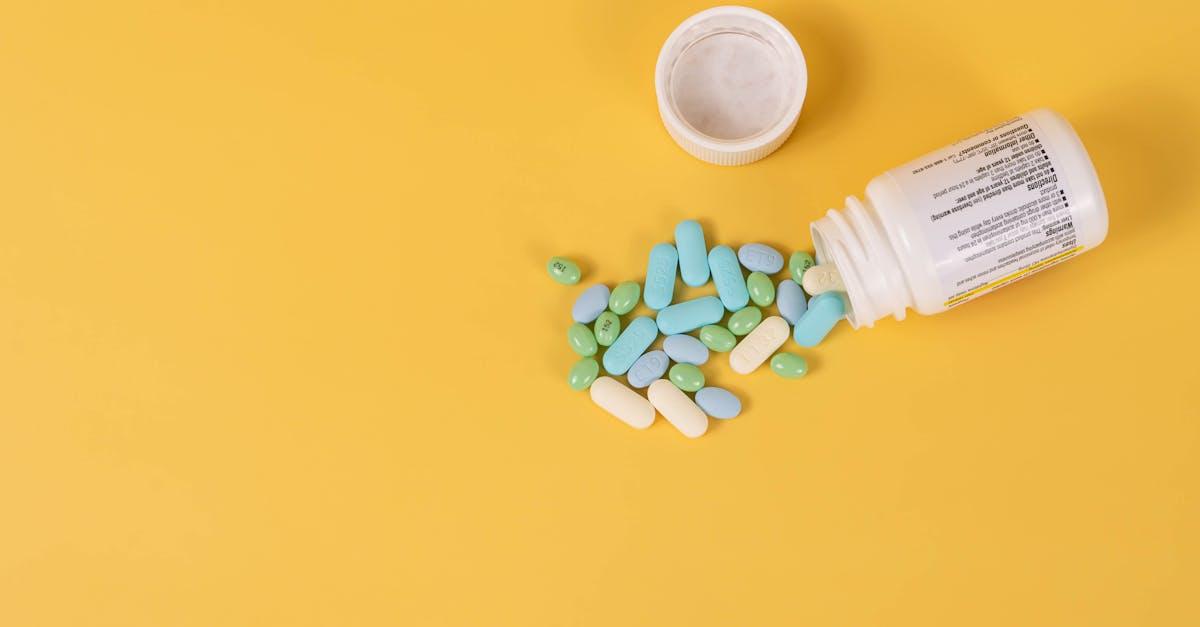
If you have ever collected a prescription and noticed the tablet looks different from last time — a different colour, a different shape, or a name you do not recognise — you are not alone. It is one of the most common questions pharmacists hear. The reason almost always comes down to generic medicines. But what are they, how do they work, and why might your pharmacist suggest them? Understanding the answers can help you feel more confident about the medicines you take.
What Is a Generic Medicine?
When a pharmaceutical company develops a new medicine, they hold a patent on it for a set number of years — usually around 20. During that time, only that company can manufacture and sell the drug under its brand name. You'll recognise many of these branded names from adverts and packaging: Nurofen, Calpol, and so on.
Once the patent expires, other manufacturers are allowed to produce the same medicine using the same active ingredient and strength. These are called generic medicines. They contain identical active ingredients, work in exactly the same way in your body, and are manufactured to the same specifications. The main differences are the name on the box, the packaging design, and — usually — the price.
This is a normal and important part of how the pharmaceutical industry works. Patents exist to reward pharmaceutical companies for the research and development costs of creating new medicines. Once that period ends, competition drives prices down, which benefits patients and the NHS.
Are Generics as Effective as Branded Medicines?
Yes — generics are just as effective as branded medicines. This is one of the most important facts to understand, and it comes with a guarantee built into UK law.
To be approved for use in the UK, a generic medicine must meet exactly the same strict standards set by the Medicines and Healthcare products Regulatory Agency (MHRA). The manufacturer must prove that their product is bioequivalent to the original — meaning it delivers the same amount of the active ingredient into your bloodstream at the same rate. This isn't a "good enough" standard; it's the same regulatory bar that the original branded product had to clear.
Independent testing also confirms this. The NHS consistently confirms that generics work just as well as brands. When your pharmacist gives you a generic, you can be confident you're receiving a medicine that has passed the same rigorous safety and quality checks.
Why Do Tablets Look Different If They're the Same Medicine?
Although the active ingredient is identical, generic medicines are made by different companies using their own manufacturing processes. This means the tablet, capsule, or liquid might be a different colour, shape, or size from what you're used to.
The inactive ingredients — things like coatings (which give the tablet its colour), fillers, and flavourings — can also vary between manufacturers. These are there to make the medicine easier to swallow, more stable, or more pleasant to take. None of these cosmetic differences affect how the medicine works. They're simply a result of different production methods and company practices.
If you've been using a particular branded medicine for a while and then receive a generic that looks quite different, that visual change can feel surprising. It's one reason why understanding your prescription labels and codes is so helpful — you can check the active ingredient name and strength and confirm you're taking the right thing.
Why Your Pharmacist Might Suggest a Generic
There are several practical reasons your pharmacist may give you a generic version of a medicine:
Your GP prescribed it generically. Most prescriptions in the UK are now written using the generic (active ingredient) name rather than the brand name. Your doctor will typically write "ibuprofen" rather than "Nurofen," or "paracetamol" rather than "Calpol". This gives the pharmacist flexibility to dispense whichever manufacturer's version is available — which is intentional. It keeps the system efficient.
Medicine supply chains are complex. Stock of a particular branded medicine may not always be available, especially during shortages or high-demand periods. Generic versions from alternative manufacturers help ensure you can still get your treatment without delay. This is particularly important if you need your medicine regularly. When you encounter out-of-stock situations, generics often offer an immediate alternative. When you work with your pharmacist on repeat prescriptions, having access to multiple manufacturers means fewer gaps in your supply.
Cost to the NHS. Generic medicines are almost always significantly cheaper than their branded equivalents — sometimes 90% less expensive. The NHS spends billions of pounds on medicines each year. Using generics where appropriate helps keep those costs down, which benefits everyone through a more sustainable health service. This is one reason why how your pharmacist and GP work together often involves choosing generic options.
Your medicine review. If you take multiple medicines, your pharmacist may suggest generics as part of a medicine use review to help reduce costs and simplify your routine.
When Your GP Might Prescribe a Specific Brand
In a small number of cases, a GP will specifically prescribe a branded medicine — and your pharmacist will dispense that exact product. This usually happens because the particular formulation matters for your safety or effectiveness.
Examples include certain epilepsy medications or modified-release tablets (slow-release), where switching between manufacturers could affect how the drug is absorbed into your bloodstream. In these cases, the prescription will clearly state the brand name, and the pharmacist will make sure you receive that specific product.
If your GP changes your medication or you're told to always take a particular brand of your medicine, it's important to mention this to your pharmacist every time you collect your prescription. This ensures they know to dispense that brand specifically, and they can flag any potential supply issues early.
What to Do If Your Tablets Look Different
If you collect your prescription and the tablets look different from what you're used to, the first step is not to panic. Check the name of the active ingredient on the box — if it matches what you've been taking, it's simply a different manufacturer's version of the same medicine.
You can also check the strength (e.g., "500mg") to confirm it matches your usual dose. The label should also list the manufacturer's name.
If you're ever unsure, ask your pharmacist. The team at Kingfisher Pharmacy in Wakefield are always happy to explain what has changed and why. It's a question we hear every day, and there's never a silly reason to ask. Sometimes the change is due to supply issues; sometimes it's because your GP has switched to a cheaper option on behalf of the NHS. Either way, we can walk you through it and answer any concerns.
Frequently Asked Questions
Q: Is a generic medicine weaker or less pure than a branded medicine? No. Generics contain exactly the same active ingredient at exactly the same strength, made to exactly the same pharmaceutical standards. The MHRA ensures this through rigorous testing.
Q: If generic medicines are cheaper, is the NHS cutting corners? No. The NHS isn't paying less because of lower quality — it's paying less because the manufacturer doesn't have to recoup the massive research and development costs that the original company did. Once that patent expires and competition increases, the price naturally falls. This is a feature of how the system works, not a compromise on safety.
Q: Can my body react differently to a generic? In rare cases, if you have an allergy or sensitivity to one of the inactive ingredients (fillers, colourings, etc.), a different generic might trigger a reaction that your usual brand doesn't. This is why it's worth mentioning to your pharmacist if you've had any issues with your medicine in the past. They can check the inactive ingredients and find a suitable alternative if needed.
Q: If I'm doing well on my current medicine, will switching to a generic affect me? No. The active ingredient is identical, so your body should respond exactly the same way. If you were stable on your branded medicine, you should remain stable on the generic version. If you have concerns, speak to your pharmacist or GP.
Q: Can my pharmacy refuse to dispense a generic if I ask for the branded version? Pharmacies can dispense a branded version if you request it and it's available, but you may be asked to pay the difference in cost. The NHS covers the cost of the generic — if you want the branded version instead, you'd typically cover the additional cost yourself.
Q: What should I do if the generic my pharmacy dispenses doesn't seem to work as well? Speak to your pharmacist or GP. While generics are bioequivalent, individual responses can vary slightly due to factors like digestion or absorption. Your healthcare team can investigate whether the issue is genuinely the medicine itself or something else — and if needed, arrange a different formulation or manufacturer.
Q: Are over-the-counter medicines subject to the same generic rules? Yes. A box of branded ibuprofen and a box of the pharmacy's own-brand ibuprofen contain exactly the same active ingredient and strength. They're both made to the same quality standards. The only real difference is the packaging and the price — so you can feel confident buying the cheaper option if you wish.
The Bottom Line
Generic medicines are safe, effective, and widely used across the NHS and the wider world. They go through the same rigorous approval process as branded products, contain the same active ingredient, and work in exactly the same way in your body. If your tablets look a bit different one month, it's almost certainly nothing to worry about — but your pharmacist is always there to put your mind at rest.
Got a question about your medicine or why you've received a generic? Pop into Kingfisher Pharmacy on Kirkgate in Wakefield city centre — our team is always happy to help you understand your prescriptions and make sure you're confident about what you're taking.