Understanding Your Prescription: What the Labels and Codes Mean
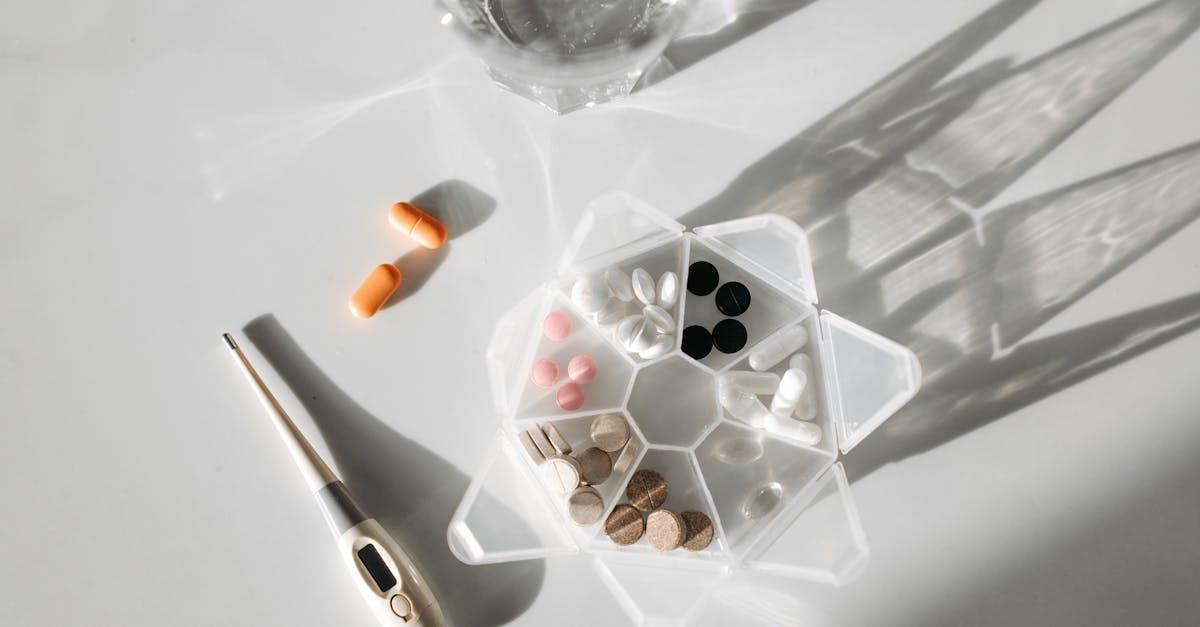
When you collect a prescription from the pharmacy, the label on the box or bottle can look like it's written in code. Letters you don't recognise, numbers with unfamiliar units, abbreviations that seem to belong in Latin class. Between the medical terminology, shorthand instructions, and sometimes unclear wording, understanding prescription labels and codes might feel impossible without asking for help.
You shouldn't need to feel that way. Here's a plain-English guide to what's actually on your prescription label — and what to do if something doesn't make sense.
What Information Is on a Prescription Label?
Every dispensed medicine comes with a label that includes several key pieces of information. Knowing what each part means helps you take your medication safely and confidently.
Your Name
The label will show who the medication has been dispensed for. Always check that it's your name — mistakes are very rare, but it's good practice to confirm every time you collect a prescription.
The Medicine Name
This shows the name of the medication. You may see:
- The generic name — the official pharmaceutical name (e.g., "paracetamol," "amoxicillin," "omeprazole")
- The brand name — the manufacturer's name for the product (e.g., "Calpol," "Nurofen")
Sometimes both will appear on the label. If your GP prescribed one brand but you've been given a different brand, don't worry — generic medicines work exactly the same way as branded ones. The active ingredient is identical; only the packaging and price differ.
The Strength
This shows how much active ingredient is in each dose — for example, "500mg" or "10mg/5ml." This detail is particularly important if a medication comes in multiple strengths. Taking the wrong strength could mean getting too much or too little of the medicine, which affects how well it works for you.
The Dosage Instructions
This is arguably the most important part of the label. It tells you exactly how to take your medication:
- How much to take — for example, "Take ONE tablet" or "Take TWO capsules"
- How often — "twice a day," "three times a day," "every 8 hours"
- When — "in the morning," "at bedtime," "with food," "on an empty stomach"
- Any special instructions — "swallow whole, do not crush," "dissolve in water," "let dissolve under tongue"
If the dosage instructions are unclear or seem different from what you expected, don't guess. Speak to your pharmacist before taking the medication.
Quantity and Supply
The label or the accompanying paperwork will show how many tablets, capsules, or how much liquid has been supplied. This helps you keep track of your supply and know when to order your next repeat prescription. If you're on regular medication, you might consider a prescription prepayment certificate to save money on repeat prescriptions.
Expiry Date
While not always on the pharmacy label itself, the medication packaging will show an expiry date. NHS guidance on medicines safety advises not using medication past this date — the active ingredient becomes less effective, and in some cases, it can become unsafe. Return expired medicines to your pharmacy for safe disposal.
Pharmacy Details
The label will include the name and address of the dispensing pharmacy, along with a contact number. This is useful if you need to get in touch with any questions about your medication or if you need an emergency prescription or help with supply issues.
Common Abbreviations You Might See
You may occasionally see abbreviations on labels or prescriptions. Most pharmacies now use plain English, but you might still encounter these:
| Abbreviation | Meaning |
|---|---|
| OD | Once daily |
| BD | Twice daily |
| TDS | Three times daily |
| QDS | Four times daily |
| PRN | When required (as needed) |
| PO | By mouth (orally) |
| AC | Before food |
| PC | After food |
| Mane | In the morning |
| Nocte | At night |
| Stat | Immediately |
| IM | Intramuscular injection |
| IV | Intravenous injection |
If you see an abbreviation you don't recognise, ask your pharmacist — they will be happy to explain.
What If Something Looks Wrong?
If anything on your label doesn't look right — the name is wrong, the dosage seems different from what you expected, or you've been given a medicine you don't recognise — do not take it until you have spoken to your pharmacist. This is never a waste of time. It's exactly what we're here for.
Common reasons for apparent discrepancies include:
- Brand change — your GP may have prescribed a generic version, or the usual brand may be temporarily out of stock. The medication is the same; only the packaging looks different.
- Dose change — your GP may have adjusted your dose since your last prescription, especially if you're managing multiple prescriptions.
- New medication — if you've recently had a consultation, a new medication may have been added to your treatment plan.
- Controlled drugs — certain medications have special collection rules; see our guide to controlled drug prescriptions for details.
In all cases, your pharmacist can check and explain. It is always better to ask than to guess.
Understanding "As Required" Medications
Some medications are prescribed "as required" (PRN) rather than at fixed times. This means you take them when you need them — for example, painkillers for occasional pain or an inhaler for sudden breathlessness.
Even with as-required medications, there will usually be a maximum dose or frequency stated on the label — such as "Take ONE or TWO tablets up to FOUR times daily when required." It is important to stay within these limits, even if you think you need more.
If you find yourself needing an as-required medication more often than expected, speak to your pharmacist or GP. It may be a sign that your condition needs reassessing.
Warnings and Additional Labels
You may notice small coloured stickers or additional labels on your medication. These are advisory labels that highlight important points:
- "May cause drowsiness" — be cautious if driving or operating machinery
- "Avoid alcohol" — alcohol may interact with this medication
- "Take with or after food" — to reduce stomach irritation
- "Swallow whole, do not chew" — the tablet has a special coating
- "Store in a refrigerator" — the medication needs to be kept cool
- "Keep out of reach of children" — standard on all medications
These labels are there for your safety. If you are unsure about any of them, ask your pharmacist.
Patient Information Leaflets
Inside every box of medication, you will find a Patient Information Leaflet (PIL). This provides detailed information about the medicine, including what it is for, possible side effects, how to store it, and what to do if you miss a dose. You can also look up any UK-licensed PIL online at the electronic medicines compendium (medicines.org.uk), run under MHRA oversight.
It's worth reading the PIL when you start a new medication. However, the list of possible side effects can look alarming — remember that these are all possible side effects, not inevitable ones. Most people taking a medication will experience few, if any, of the listed side effects. If you have concerns after reading the leaflet, speak to your pharmacist rather than stopping the medication on your own.
Frequently Asked Questions
What should I do if I can't read the label on my medication?
If the label is faded, smudged, or difficult to read, don't try to guess. Take the medication back to your pharmacy and ask for a new label. We can print a fresh one within minutes.
Can I take medication prescribed for someone else if I have the same condition?
No. Every prescription is tailored to that individual's age, weight, other medications, and health history. Even if you have the same condition, the right dose or even the right medicine may be different for you. Always speak to your pharmacist or GP about your symptoms.
What does it mean if my pharmacist gives me a different medicine than I expected?
Your pharmacist may suggest a generic version instead of a brand name, or a different brand if the usual one is temporarily unavailable. The active ingredient is the same — only the packaging differs. If it's a completely different medication, always ask why. There may be a clinical reason (it works better for you, or you have an allergy), and your pharmacist can explain.
Do I need to read the Patient Information Leaflet every time I take a dose?
No. You only need to read it carefully when you first start the medication. After that, you can just follow the label on the box.
What if I miss a dose?
Most labels or Patient Information Leaflets will say "if you forget a dose, take the next one at the usual time." However, some medications have different instructions — for example, if you miss a dose of a contraceptive or antibiotic, the guidance may be different. If in doubt, check the leaflet or ask your pharmacist.
Can I take my medication at a different time than the label says?
Some flexibility is fine. For example, if the label says "twice a day," taking doses 12 hours apart is the goal, but a difference of an hour or two won't usually matter. However, for some medicines — antibiotics, for instance — timing is more important. If you need to change when you take your medication, speak to your pharmacist first. If you struggle with medication timing, ask about dosette boxes or compliance aids, which can help you stay organised.
Where can I find more information about my medication?
Your pharmacist is your first point of contact. You can also look up your medication online at medicines.org.uk or use the NHS App to check your prescriptions and get information. If you're taking multiple medications, we can also offer a Medicine Use Review to check everything is working well together.
Getting Help in Wakefield
At Kingfisher Pharmacy on Kirkgate, we are always happy to explain what is on your prescription label, answer questions about your medication, and make sure you feel confident about how to take your medicines. Understanding your medications isn't just helpful — it's part of taking them safely and getting the best from your treatment.
If you have collected a prescription and something doesn't look right, or if you simply want a clearer explanation of what you have been given, pop in and speak to our team. That's what we're here for.
If you need medication delivered to your door, have questions about eligibility for free prescriptions, or anything else about your prescriptions, we're here to help.
Kingfisher Pharmacy is located on Kirkgate in Wakefield city centre (WF1 1UE). If you have questions about your prescription, speak to our pharmacist — we are here to help.