What to Do When Your Prescription Medicine Is Out of Stock
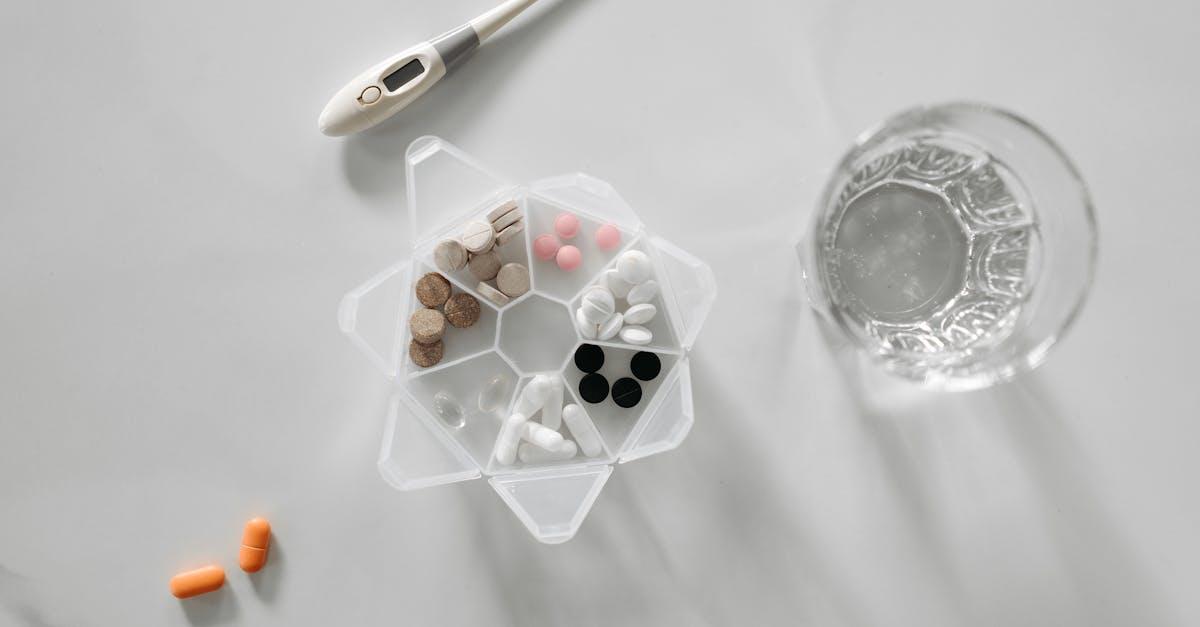
Your repeat prescription is ordered. You head to the pharmacy to collect it. But then you hear the words no one wants: your medication is out of stock. If you rely on this medicine every day, the news hits hard. Prescription medicine out of stock isn't rare — it happens across Wakefield and the rest of the UK more often than many patients realise. The good news: it is rarely your pharmacy's fault, and there are clear steps you can take.
Why Do Medicine Shortages Happen?
Medicine shortages are caused by factors far beyond the pharmacy counter. Here are the main reasons:
Manufacturing disruptions — A problem at the factory where your medicine is made can halt supply for weeks or months. Equipment failure, quality issues, or staffing problems can all stop production.
Raw material shortages — The active ingredients and components needed to make a medicine may become scarce. These materials often come from a small number of global suppliers.
Regulatory actions — If a batch fails safety or quality tests, it is withdrawn. The Medicines and Healthcare Products Regulatory Agency (MHRA) may also pause supply of a medicine while investigating a concern.
Unexpected demand spikes — During a flu outbreak, for example, demand for vaccines can suddenly shoot up. Suppliers cannot always ramp up production fast enough.
Supply chain problems — Delays in shipping, customs issues, or warehousing problems can hold up deliveries to pharmacies. The link between manufacturer and your local shelf is surprisingly fragile.
Commercial decisions — Manufacturers sometimes decide a medicine is no longer profitable and reduce supply, or they shift production to other markets.
These are national — often international — problems. When a medicine is unavailable, it affects pharmacies across the country, not just in Wakefield. Speak to your pharmacist if you want to know more about the specific reason your medicine is out of stock.
What We Do at Kingfisher Pharmacy
When you tell us your medication is unavailable, we do not wait and hope. Our team works behind the scenes to find a solution:
We check alternative suppliers. We have relationships with multiple wholesalers and will contact them to find stock. Sometimes a medicine is available from a different source, even if our usual supplier is empty.
We contact the manufacturer. We ask when stock is expected to return and whether early supply is possible. This gives us a realistic timeline to share with you.
We speak to your GP when needed. If your medicine is likely to be unavailable for a long time, we may contact your surgery to discuss whether an alternative medication would be suitable. Your GP and our pharmacy team work as partners in these situations — the goal is always to keep you well while the shortage lasts.
We keep you in the loop. A good pharmacy tells you what is happening, what it means for you, and what the next steps are. We do this because silence is stressful and information is reassuring.
At Kingfisher Pharmacy on Kirkgate, we manage supply issues like this every week. When your medication is out of stock, that is what we are here for.
What You Should Do Right Now
If your pharmacist tells you your medicine is out of stock, here are the practical steps:
Do not panic. Most medicine shortages last days to a couple of weeks. Your pharmacist will give you a realistic timeline based on what they have learned from the manufacturer and wholesalers.
Ask your pharmacist for details. Your pharmacist is the expert here. Ask them how long the shortage is expected to last, whether an alternative form or brand is available now, and whether your GP needs to prescribe something different in the meantime.
Do not stop your medicine without advice. Some medicines cannot be stopped suddenly — doing so can be dangerous or cause your condition to worsen. Before making any changes, speak to your pharmacist or GP. This is especially important for heart medicines, blood pressure drugs, and asthma inhalers.
Ask about other pharmacies. Your pharmacist can sometimes check stock at nearby pharmacies or suggest where you might find the medicine. It is worth asking — the medicine may be available just a few streets away in Wakefield.
Order your repeat prescriptions in advance. This is one of the most helpful habits you can build. If you order repeat prescriptions without visiting your GP a few days before you need them, the pharmacy has time to track down any items that are not immediately on the shelf. Giving us notice makes all the difference.
Working With Your GP
If a shortage looks like it will last more than a couple of weeks, your GP can help in several ways:
- Prescribe an alternative medicine that treats the same condition
- Change the formulation — for example, from a brand-name tablet to a generic medicine
- Issue a bridge prescription to cover you while supply is restored
This is standard practice. Pharmacists and GPs in Wakefield work together in these situations, and at Kingfisher Pharmacy we contact GP surgeries directly when a shortage affects a patient. You should never feel like you are chasing the answer alone.
If you are unsure whether your GP would be open to discussing an alternative, ask your pharmacist. We often raise the conversation ourselves. Understanding what happens when your GP changes your medication is something we help patients navigate.
For long-term conditions like high blood pressure or diabetes, your GP may also suggest a medicine review to check whether there are other options that might suit you better during future shortages.
How to Prepare for Future Shortages
While you cannot prevent medicine shortages, you can soften their impact:
Order on a regular schedule. Not too early, not at the last minute. A few days' notice gives the pharmacy time to work.
Do not stockpile. Ordering far more than you need can actually make shortages worse for other patients. If everyone orders in bulk, supply runs dry faster.
Keep an accurate list of your medicines. If you ever need a substitute, knowing your exact doses and any allergies speeds up the process.
Use the NHS App. It is useful for ordering repeat prescriptions and keeping track of refills. The more organised you are, the easier it is for your pharmacist to help if something goes wrong.
Know your pharmacy. Using the same pharmacy consistently means the team knows your medical history and medicines. In a shortage, that familiarity helps us find solutions faster. We also offer prescription delivery to your door if mobility is an issue.
Frequently Asked Questions
What should I do if I run out of my medicine before the shortage is resolved?
Do not skip doses without advice. Contact your pharmacist or GP immediately. If your pharmacy cannot supply the medicine, they may issue an emergency supply, or your GP can prescribe a temporary alternative. Find out what to do if you run out of medication over a bank holiday — many of the same steps apply.
Can I get a different pharmacy to supply my medicine?
Yes, you can use any pharmacy in the UK. Ask your pharmacist whether they know another local pharmacy with stock, or try a large chain in Wakefield. You can also use the NHS App to see which pharmacies near you stock the medicine.
My prescription is written for a specific brand. Can my pharmacist give me a different one?
In most cases, yes. Generic medicines work the same way as the branded version and are often significantly cheaper. If your GP has written "do not substitute," the pharmacist must follow that — but this is rare. Ask your pharmacist to explain your options.
If the shortage lasts months, will my GP keep issuing the same prescription?
Not necessarily. If a medicine is unavailable for an extended period, your GP will review your medicines and discuss alternatives with you and the pharmacist. This ensures you are on the most suitable medication available now.
Is the NHS doing anything about medicine shortages?
Yes. The MHRA, NHS England, and NHS trusts monitor shortages and work with manufacturers to resolve them. However, global supply chains mean some shortages are beyond anyone's control in the short term.
What if I keep a small emergency supply at home?
This is sensible for essential medicines, but speak to your pharmacist first about how much is safe to keep and for how long. Some medicines degrade over time or need special storage.
Who should I contact if my medicine is still unavailable after two weeks?
Ask your pharmacist to contact your GP. You may then be invited in for a medicines review to discuss longer-term options. If you are struggling to get any medicine you need, Kingfisher Pharmacy can help — call us on 01924 291898 or visit us at 192 Kirkgate, Wakefield, WF1 1UE.
Medicine shortages are stressful, especially when you rely on your medication every day. But you are not dealing with it alone. Your pharmacist and GP are on your side, and there are almost always solutions. If your prescription is out of stock, come and speak to us. We will do everything we can to find you a way forward — whether that means sourcing from another supplier, discussing alternatives with your GP, or helping you manage in the meantime.
Speak to your pharmacist or GP if you have any concerns about your medicines.