What to Do If You Run Out of Medication Over a Bank Holiday
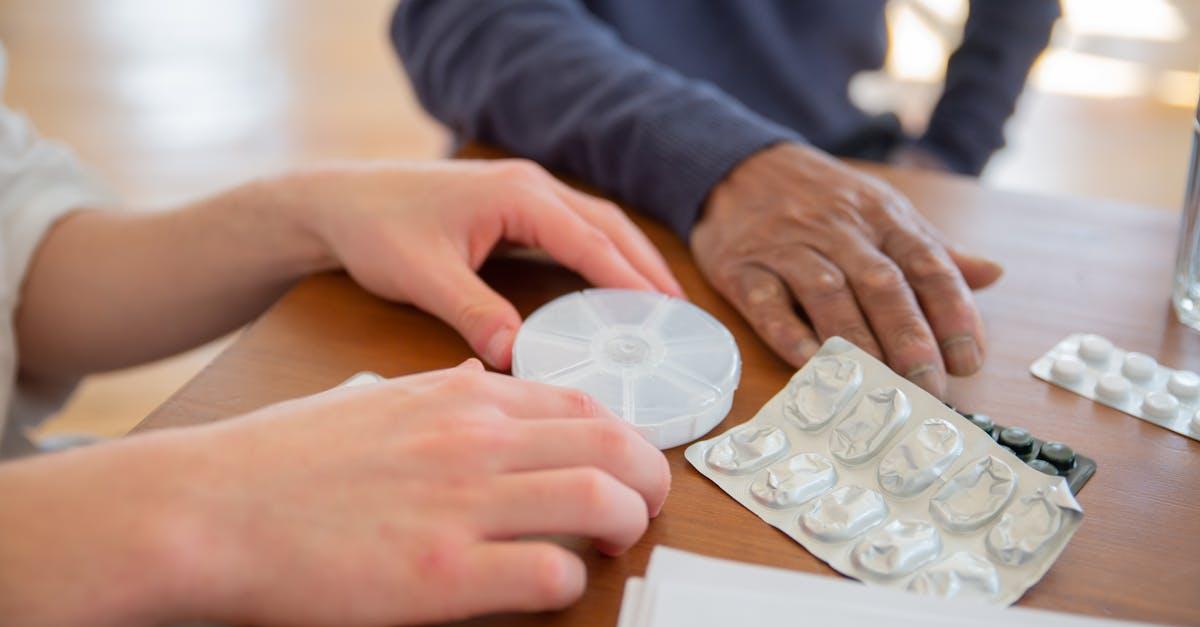
Running out of medication over a bank holiday is a situation that catches people out every year. Your GP surgery is closed, you reach for a tablet you should have refilled last week, and the blister pack is empty. If this happens to you — especially if you take the medication regularly — it can feel alarming. But here's the reassuring part: if you run out of medication over a bank holiday, you have options, and knowing them in advance takes most of the stress out of the situation.
Your First Option: Emergency Supply from the Pharmacy
If you run out of a regular prescription medicine and cannot see your GP, your pharmacist may be able to provide an emergency supply. This is a legally recognised service that allows pharmacists to dispense a small quantity of certain medications to tide you over until your GP surgery reopens and you can get a new prescription.
How it works
Visit your pharmacy and explain that you've run out. The pharmacist will need to establish:
- You've been prescribed this medication before
- You genuinely need it now (not something you can wait on)
- It's not a controlled drug — or if it is, the rules allow emergency supply
They'll check their records and may ask about your current dose, how long you've been taking it, and who prescribes it. This isn't being difficult — it's checking that they can legally help you. Many people assume pharmacists always know everything about you; we don't, especially if you've never collected prescriptions from us before.
What it costs
Emergency supplies are not routinely funded by the NHS in the way regular prescriptions are. The pharmacy may charge you for the medication — usually a standard dispensing fee — or a locally commissioned service may cover it. Ask your pharmacist about the cost upfront. Prices vary between pharmacies, so it's worth knowing where your nearest pharmacy is before you need it.
How much will they supply?
An emergency supply is a temporary measure: enough to last until your surgery reopens, not a month's worth. The pharmacist will give you the minimum necessary to bridge the gap safely. For daily medications, this is usually 7–14 days.
If the Pharmacy Can't Help: Other Routes
NHS 111
If you can't reach a pharmacy, or the pharmacy is unable to supply, NHS 111 operates 24 hours every day, including bank holidays. They can:
- Advise you on next steps
- Arrange an out-of-hours GP appointment if needed
- In some cases, send an electronic prescription to a pharmacy that's open
Calling 111 is not just for acute emergencies — it's exactly for these "I don't know what to do and my regular services are closed" moments.
Out-of-Hours GP Services
NHS 111 may direct you to an out-of-hours GP, especially if your medication is safety-critical or if the pharmacist can't help. The out-of-hours GP can issue a prescription that you can take to an open pharmacy. This is slower than an emergency supply, but it's the proper channel for some situations.
A&E — Last Resort Only
If you've completely run out of a medication that keeps you safe — for example, insulin, epilepsy medication, anticoagulants, or some heart medicines — and genuinely cannot access any other service, A&E will help. But it should be a last resort: A&E staff have far more pressing work, and you'll wait longer than at any other service.
How to Avoid Running Out in the First Place
Prevention is genuinely easier than the panic of being caught short.
Order repeat prescriptions early
Do not wait until you're on your last few tablets. Aim to reorder at least a week before you run out — longer if a bank holiday is coming. Most Wakefield GPs send prescriptions through within 2 hours if you've already requested them, but over bank holidays this doesn't apply, so plan ahead.
Know the bank holiday dates
Bank holidays are published well in advance. Before each one, spend two minutes checking whether any of your regular medications will run low during the closure period. If they will, order them now.
Use a repeat prescription management service
Many pharmacies — including Kingfisher — will manage your repeat prescriptions for you: we order from your GP on your behalf and have them ready for collection or delivery. This removes the "remember to reorder" burden and makes it much harder to accidentally run out.
Keep a medication list
Write down (or keep a photo of) every medication you take regularly: the name, strength, and prescriber. If you ever need to ask a pharmacist for help or see an out-of-hours GP, you'll be able to tell them exactly what you take. A good medication list — checked at your pharmacy medicine review — is your safety net. No guessing, no confusion, no delays.
Set a phone reminder
The night before a bank holiday, a simple phone alert to check your supplies is free and effective.
Practical Information: Pharmacy Hours Over Bank Holidays
GPs close on bank holidays. Most pharmacies stay open — but often with reduced hours. Before a bank holiday period, check your local pharmacy's opening hours so you know when help is available.
Kingfisher Pharmacy's bank holiday hours are displayed in-store, on our website, and on the NHS pharmacy finder. If you're unsure, call us on 01924 291898 (if we're open), or check online.
Frequently Asked Questions
Q: Is an emergency supply exactly the same as my regular prescription? A: It should be, yes — same medication, same dose. The only difference is it's dispensed without a formal GP prescription and may cost more.
Q: Can I get an emergency supply for a controlled drug? A: Some controlled drugs can be supplied in an emergency, but there are stricter rules. If your medication is a controlled drug, ask the pharmacist — they'll know whether it's possible in your case.
Q: What if I don't know my exact dose? A: The pharmacist can check your records if you've collected from that pharmacy before. If you've never been there, having even a rough idea helps — a tablet container or empty box is useful.
Q: How much will an emergency supply cost? A: It varies by pharmacy and medication. Some offer emergency supplies free or at standard prescription charge prices; others charge a small fee. Ask your local pharmacy before you're in a jam.
Q: What if my pharmacy is closed and NHS 111 is very busy? A: NHS 111 waiting times vary, but you can usually get advice within an hour or so. For genuinely urgent safety concerns (chest pain, shortness of breath, bleeding), call 999, not 111.
Q: Can I get an emergency supply for medications I've never needed before? A: No — only for medications you've been prescribed and have taken before. The pharmacist needs to know it's a regular medication for you.
Q: What's the difference between an emergency supply and an urgent prescription? A: An emergency supply is what the pharmacist gives you directly, on the spot, without waiting for a GP. An urgent prescription comes from a GP (out-of-hours or electronic) and you then take it to the pharmacy. Both solve the problem; the route just depends on your circumstances.
When to Get Help and When to Wait
If your medication keeps you safe — diabetes, heart conditions, epilepsy, mental health, anticoagulants, blood pressure — and you've genuinely run out, do not wait. Get help on the same day. Call 111 or visit a pharmacy.
If your medication is for something less urgent (hayfever, mild eczema, occasional headache), you can usually wait until your regular services reopen, though an emergency supply might still be worth asking about if the inconvenience is high.
Either way, speak to a pharmacist if you're unsure. We can advise whether you need immediate help or whether waiting a day or two is safe. Come and see us at Kingfisher Pharmacy on Kirkgate in Wakefield, or call 01924 291898 to discuss your options.