How Electronic Prescriptions Work: EPS Explained Simply
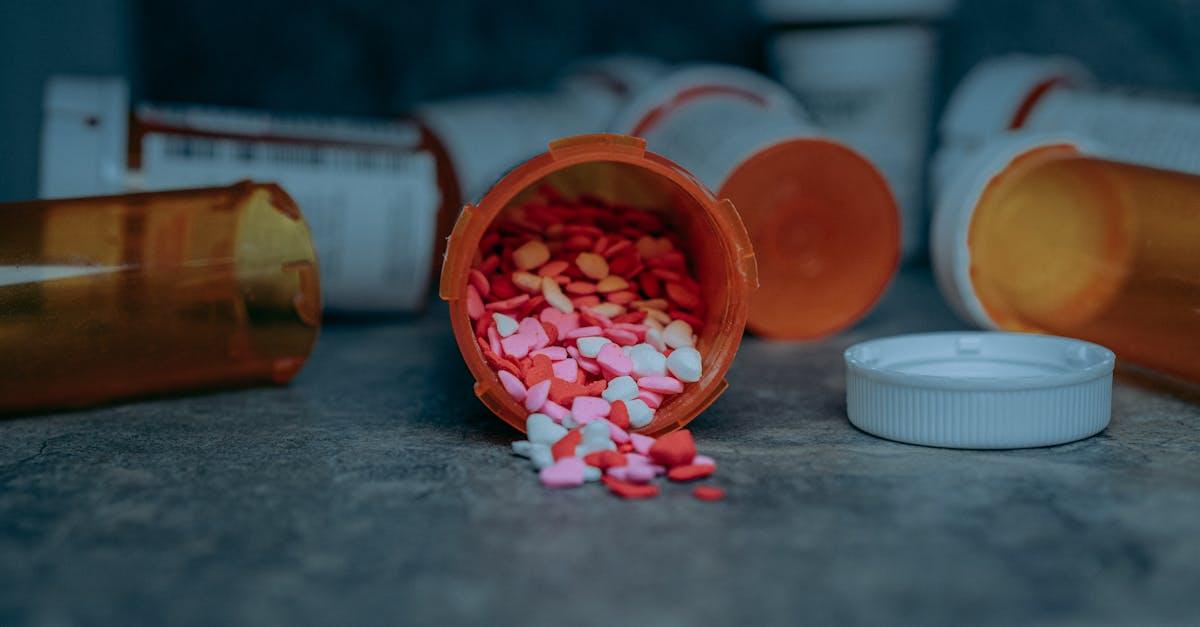
If you've recently collected a prescription from a pharmacy, there's a good chance it arrived electronically — without you needing to carry a paper slip from your GP surgery. This happens thanks to the Electronic Prescription Service, or EPS, which has quietly transformed how prescriptions work across England. Understanding how electronic prescriptions work and how the EPS system functions can help you manage your healthcare more smoothly and take advantage of its convenience.
But what exactly is the Electronic Prescription Service, and how do electronic prescriptions travel from your GP to your pharmacy? Here's a clear explanation.
What Is the Electronic Prescription Service?
The Electronic Prescription Service is an NHS system that sends prescriptions electronically from your GP surgery directly to the pharmacy of your choice. Instead of being handed a paper prescription to carry elsewhere, the prescription travels digitally through a secure NHS network — a system that's been available across England since 2009.
You can find more detail about how EPS is managed on the NHS Digital website, but in simple terms: it's now the standard way most prescriptions are issued. Nearly all GP practices and pharmacies — including Kingfisher Pharmacy here in Wakefield — use EPS every day.
The system relies on your "nominated pharmacy" — the pharmacy you've chosen to receive your electronic prescriptions. Once you've set one up, prescriptions flow there automatically, without any paper changing hands. Because it's digital, your prescription data is secure, protected by the NHS Spine, the secure national network that carries it.
How Electronic Prescriptions Work: Step by Step
The process is straightforward, though it happens largely behind the scenes:
-
Your GP creates the prescription. After a consultation, phone appointment, or when you request a repeat prescription, your doctor enters the prescription details into their computer system — just as they would if printing a paper copy.
-
The prescription is sent electronically. Rather than printing paper, the system transmits your prescription through the secure NHS Spine to your nominated pharmacy. This usually happens within minutes of being issued.
-
Your pharmacy receives and prepares it. The prescription appears on the pharmacy's system, and the team begins preparing your medication. At Kingfisher Pharmacy in Wakefield, we typically see electronic prescriptions arrive within moments of being issued — giving us time to prepare your medication before you even visit.
-
You collect your medication. You visit the pharmacy at your convenience and collect your prepared medication, as you always would. No paper to sign, no slip to hand over — just your medication ready and waiting.
This whole journey removes several friction points compared to the old paper system: no separate trip to the GP surgery to collect a physical prescription, no risk of losing the paper, and no delays from handwriting that might be misread.
Setting Up Your Nominated Pharmacy
For EPS to work, your GP needs to know which pharmacy to send your prescriptions to. This is your "nominated pharmacy," and you can choose any pharmacy you'd like — including us.
You can set up or change your nominated pharmacy in several ways:
- Visit the pharmacy — pop into Kingfisher Pharmacy and ask; we can sort it in moments
- Use the NHS App — you can nominate or change your pharmacy directly within the app
- Contact your GP surgery — they can set it up for you during a visit or phone call
- Visit NHS.uk — you can manage it online
One benefit of setting up a nominated pharmacy is that all your electronic prescriptions go there automatically. If you take regular medications, you can order repeat prescriptions online through the NHS App or your GP's website, and they'll be sent straight to your pharmacy without any extra effort on your part.
You can change your nominated pharmacy at any time — there's no waiting period or limit to how often you can switch. The change takes effect for any new prescriptions; any already sent to your previous pharmacy will remain there.
When Paper Prescriptions Are Still Used
While EPS handles the vast majority of prescriptions, there are situations where paper prescriptions still exist:
- Certain controlled drugs — some medications with stricter regulations (like some pain relief or anxiety medicines) still require a paper prescription. Learn more about controlled drug prescription rules here.
- System unavailability — occasionally, if the NHS network is down, a pharmacy may issue a paper prescription as a backup
- By request — if you prefer a paper prescription, you can ask for one, though this is increasingly uncommon
If you do receive a paper prescription, you can take it to any pharmacy — it doesn't have to be your nominated one. But in practice, most patients will never need to worry about paper prescriptions; EPS has become the seamless default.
Why EPS Matters for Your Healthcare
The shift to electronic prescriptions has made life easier for patients in several concrete ways:
Convenience. You don't need to visit the GP surgery to collect a paper prescription before heading to the pharmacy. The prescription is already waiting for you.
Speed. Prescriptions reach your pharmacy within minutes, not hours or days. If you need an urgent medication, electronic prescriptions help things move faster.
Accuracy. Digital systems eliminate the risk of a pharmacist misreading handwriting or a prescription getting lost. Your medication details travel exactly as your GP intended.
Automatic repeat prescriptions. If you take the same medication regularly, the whole repeat process becomes smoother. You request it online, your GP approves it, and it's sent straight to your pharmacy — all manageable through the NHS App or your GP's website.
Less paperwork. One fewer piece of paper to keep track of, file, or worry about losing. Your pharmacy and GP both have the same record.
This is why understanding how your pharmacist and GP work together on your prescriptions matters: they're connected through EPS, making sure you get the right medication at the right time.
Frequently Asked Questions
Is EPS secure? Completely. Prescriptions travel over the NHS Spine, a secure national network. Only authorised GP practices and pharmacies can access your prescription data, and everything is encrypted. Your privacy is protected.
What if my pharmacy doesn't have my medication in stock? This can still happen with electronic prescriptions, just as with paper ones. If a medication is temporarily unavailable, your pharmacist will let you know, order it in, or suggest another pharmacy if it's urgent. Speak to your pharmacist about your options.
Can I see my prescriptions online? Yes. The NHS App lets you view your current and past prescriptions, see which medications are available for repeat ordering, and check which pharmacy they've been sent to. This gives you a clear picture of your medication at any time.
How long does it take for a prescription to reach the pharmacy? Usually within minutes of your GP issuing it. Electronic transmission is fast — the main variable is how quickly the pharmacy can prepare your medication once they receive it, which typically takes a few hours. Most Wakefield patients find their medication is ready to collect within the same day of requesting it.
What if I'm in an emergency and can't see my GP? There are other routes available: pharmacy emergency supply, NHS 111, or urgent care centres. If you need an urgent prescription, speak to your pharmacist — we can often help, or advise you on the quickest path forward.
Can I use EPS if I don't have a nominated pharmacy yet? Not automatically. You need to nominate a pharmacy for EPS to work. Your GP may have a default pharmacy on file. If you'd like to set up Kingfisher Pharmacy as your nominated pharmacy, just let us know.
Can I nominate more than one pharmacy? Typically, you nominate one main pharmacy. However, your GP can send paper prescriptions or issue electronic prescriptions to different pharmacies if needed — speak to your GP or pharmacist about your specific situation.
What happens if I move away from Wakefield? You can change your nominated pharmacy to any NHS pharmacy in England — whether that's in a new city or area. EPS works the same way everywhere across the country. If you're moving, simply nominate a pharmacy near your new location.
At Kingfisher Pharmacy on Kirkgate in Wakefield city centre, we receive electronic prescriptions from GP surgeries across the area every day. If you'd like to set us as your nominated pharmacy, switch from another pharmacy, or simply have questions about how EPS works, our team is here to help. Pop in, call us on 01924 291898, or ask at the counter next time you're collecting a prescription. We're here to make the process as simple as possible.