Medication Questions You Might Be Too Embarrassed to Ask
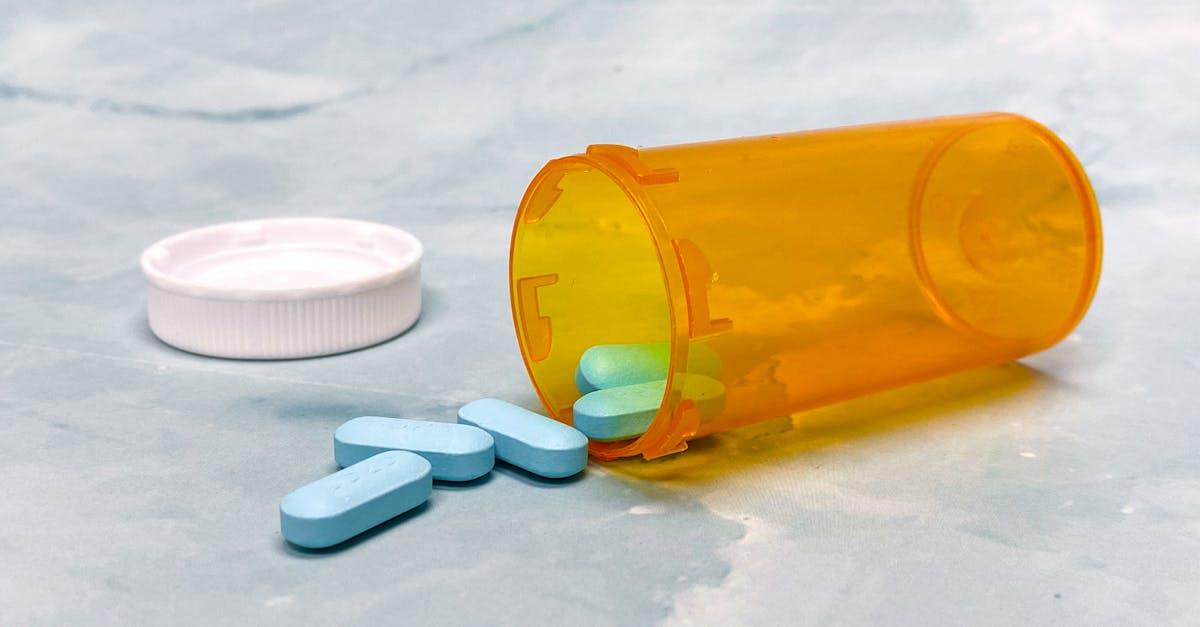
We've all been there: you have a question about your medication, but it feels too awkward, too personal, or too silly to mention. So it stays unasked. The thing is, unanswered medication questions can lead to incorrect use, unnecessary worry, or avoidable side effects.
At Kingfisher Pharmacy in Wakefield, we want you to know that no question is too embarrassing. The medication questions you might be too embarrassed to ask are often the most common ones we hear. Every day, patients ask us things they've been sitting on for weeks — and nearly every time, it's a question we've answered hundreds of times before. Below are some of the most common ones, and why speaking to your pharmacist is always the right choice.
Bowel Changes: Yes, Your Medication Might Be the Culprit
One of the most common unasked questions: "Is it normal for my medication to affect my bowel habits?"
The short answer is yes. Many medications can cause constipation, diarrhoea, or even changes in stool colour. Iron supplements, certain painkillers, some blood pressure medicines, and antibiotics are among the most common culprits. If your bowel habits have changed since starting a new medication, that's worth mentioning to your pharmacist — not something to sit with silently.
Your pharmacist can tell you whether this is a known side effect, whether it's likely to settle on its own, and what practical steps you might take. Sometimes a simple dietary change or staying better hydrated makes a real difference. Sometimes the medication itself needs to be reviewed with your GP.
Sexual Function: This Conversation Matters
Many people — men and women — feel deeply uncomfortable asking whether their medication might affect their sex life. But this is a conversation worth having.
A number of commonly prescribed medications can genuinely affect libido, sexual function, and satisfaction. Certain antidepressants, blood pressure medications, and hormonal treatments are known for this. If you're experiencing changes in this area since starting a new medicine, speaking to your pharmacist is entirely appropriate. They deal with these conversations regularly. They're not shocked, they're not judging, and they can discuss whether your medication might be a factor. If it is, they can also advise whether a conversation with your GP about alternatives could be helpful.
Missing a Dose: What Should You Actually Do?
People miss doses for all sorts of reasons — life is busy, they forget, they're away from home. Then panic sets in: Should I take a double dose? Skip it entirely? Wait until the next scheduled time?
The answer depends on the specific medication and how much time has passed. This is where your pharmacist is invaluable. They can give you clear, personalised guidance for your particular medicines. The Electronic Medicines Compendium (EMC) publishes the patient information leaflet for every UK medicine, which includes a missed-dose section — but your pharmacist can interpret that for your situation. It's a far better approach than guessing or searching random websites.
Your Tablet Looks Different: Should You Be Worried?
You collect your prescription and notice your tablets look completely different from last time — different colour, different shape, maybe a different marking. This can be genuinely alarming, especially if you rely on recognising your medicines by sight.
Here's what's happening: generic medications are manufactured by different companies, and the appearance of your tablets or capsules can change from one prescription to the next. The medication itself — the active ingredient and dose — is identical. Only the manufacturer and packaging have changed. Your pharmacist can confirm this is the case and explain why it's happened. It's a normal part of how generic medicines work in the NHS.
Alcohol and Your Medication: Can You Still Have a Drink?
Many people take a prescription medication and then wonder whether they can still enjoy a glass of wine or a pint at the weekend. The answer varies — sometimes significantly — depending on the medication.
Some medicines interact with alcohol in ways that can be harmful or reduce how well the medication works. Others are generally considered safe with moderate consumption. Online warnings can be vague or overly cautious. Your pharmacist can give you clear, personalised information based on what you're actually taking.
Stopping Your Medication Without Telling Anyone
Here's a scenario with no judgement attached: you started taking a medication, but the side effects were off-putting, life got busy, or you simply decided it wasn't working for you, so you stopped. Or you're taking it inconsistently instead of as prescribed.
Being honest with your pharmacist about your medication habits — or your struggles with them — allows them to help. Stopping certain medications abruptly can have consequences. Others can be safely adjusted. Your pharmacist can advise on the safest way to get back on track, or discuss whether the medication is still appropriate for you. See NHS guidance on medicines for information on why completing a course matters for antibiotics and other drug types.
If medication compliance is a challenge, your pharmacist might also suggest support — like dosette boxes and medication compliance aids — or discuss whether a medicine use review might help you understand your medicines better.
Frequently Asked Questions
Q: Will my pharmacist judge me if I admit I haven't been taking my medication?
A: No. Pharmacists are trained to support you without judgement. They've heard every reason and every story. Being honest helps them give you better advice — whether that's making it easier to remember your medicines, adjusting your prescription, or discussing side effects that are getting in the way.
Q: Can I take my medication at different times of day if it's more convenient?
A: It depends on the medicine. Some medications need to be taken at specific times (like certain antibiotics or blood pressure medicines). Others have more flexibility. Check the label and ask your pharmacist. If timing is genuinely difficult, they might be able to suggest alternatives or help you find a routine that works.
Q: What if I'm worried about taking several medications together — is that safe?
A: This is a really valid concern, especially if you're managing multiple prescriptions from different GPs or specialists. Your pharmacist checks for interactions every time you collect a prescription, and they can explain any concerns. If you want a full review of all your medicines, ask about a medicine use review — it's free and takes about 30 minutes.
Q: Is it okay to stop taking my medication if I feel better?
A: Some medicines (like antibiotics) must be finished even if you feel better — stopping early can lead to resistance or relapse. Others (like blood pressure medicines) need to stay in your system to keep working. Never stop a medication without asking your GP or pharmacist first. If side effects are making life difficult, there might be alternatives worth trying.
Q: What happens if I run out of my medication unexpectedly?
A: Contact your pharmacy straight away. If it's a weekend or bank holiday, see what to do if you run out of medication over a bank holiday. Your pharmacist can often arrange an emergency supply while your GP processes a new prescription. This is exactly what we're here for.
Q: Can I take my medication with food, or does it need to be on an empty stomach?
A: This varies. Some medicines work better with food, others need an empty stomach, and many don't care either way. The patient information leaflet will tell you, and so will your pharmacist. If you're struggling to remember, ask about strategies that fit your routine.
Q: What if I need to take multiple doses of my medication per day — how do I remember?
A: Many people find it helpful to link doses to routines — breakfast, lunch, dinner, bedtime. Some use pill organisers. Dosette boxes and medication compliance aids can also be really useful, especially if you're managing multiple medications. Your pharmacist can help you set up a system that works with your life, not against it.
Q: Can I crush or split my tablets?
A: Not all tablets can be crushed or split safely. Some have special coatings that are designed to release the medication slowly, and breaking them can cause the entire dose to release at once. Others are too small to split accurately. Always ask your pharmacist before crushing, splitting, or chewing any tablet. They can tell you if it's safe or suggest alternatives like liquids or patches.
Your pharmacist at Kingfisher Pharmacy in Wakefield is here to answer every medication question you have — no matter how small or embarrassing it might seem. We're bound by professional confidentiality, just like GPs. If you'd like ongoing support with your medicines, ask about a medicine use review or speak to us about how to manage your repeat prescriptions efficiently. Visit us at 192 Kirkgate, Wakefield, and bring whatever questions you've been sitting on. Speaking to your pharmacist is always the right call.