A Traveller's Guide to Malaria Prevention: Tablets and Advice
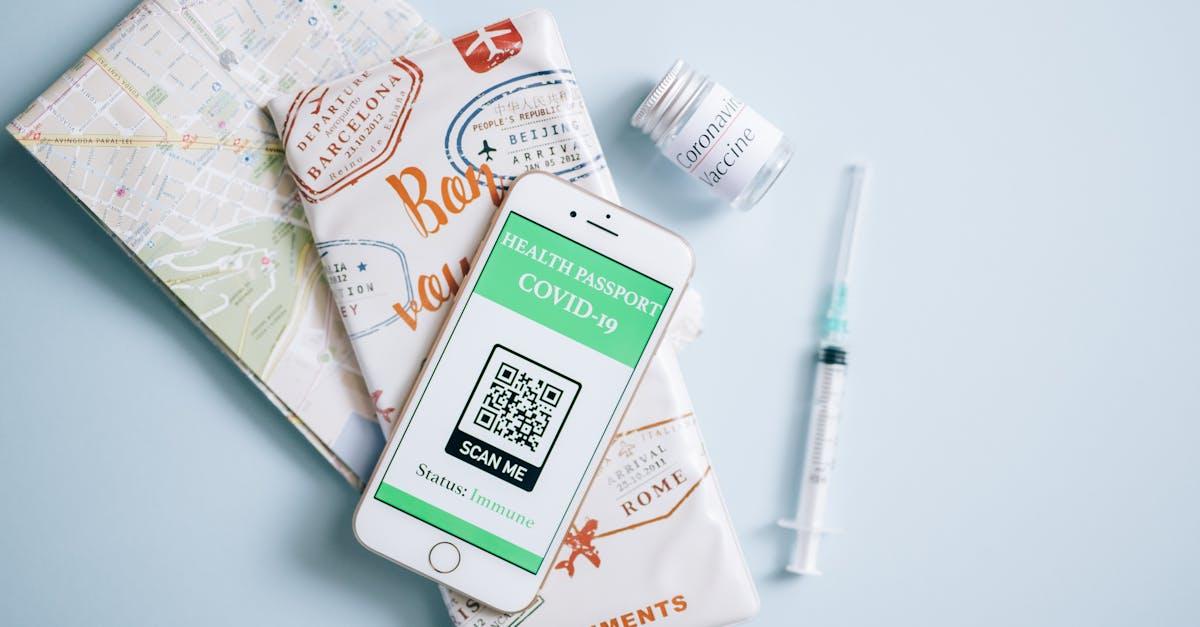
Malaria remains one of the most significant health risks for British travellers visiting tropical and subtropical regions. Understanding malaria prevention tablets and the other measures that protect you is essential before you travel. This guide covers what you need to know about antimalarials, the other prevention methods that matter just as much, and how to prepare properly — so you can travel with confidence.
What Is Malaria?
Malaria is a parasitic infection spread by mosquito bites. The mosquitoes that carry malaria — Anopheles species — typically bite between dusk and dawn, which is why timing matters for your prevention strategy.
Symptoms can appear anywhere from a week to several months after infection. They include high fever, shaking chills, headache, muscle aches, nausea, and fatigue. In severe cases, malaria can damage organs and become life-threatening. This is why prevention is so important — the infection is far easier to prevent than to treat once you are unwell.
Where Is Malaria a Risk?
Malaria is endemic in tropical and subtropical regions around the world:
- Sub-Saharan Africa (the highest-risk area)
- South and Southeast Asia (including India, Thailand, Vietnam, Cambodia)
- Central and South America (including parts of Colombia, Peru, Brazil)
- The Middle East (parts of Yemen, Oman, Saudi Arabia)
- Some Pacific Islands
Risk varies significantly within countries and even within regions. A traveller visiting the coast of Thailand faces a different risk profile to someone heading to inland areas. Similarly, urban centres typically carry lower malaria risk than rural regions.
If you're heading to destinations like India, Vietnam, Colombia, or Morocco, understanding your specific risk is the first step in protection.
For a personalised assessment of your destination's malaria risk, speak to a travel health professional during your pre-travel consultation.
Antimalarial Tablets: Your Chemical Defence
Antimalarial tablets are one of the most important tools for preventing malaria. They work by killing the malaria parasite if it enters your bloodstream, preventing the infection from taking hold.
The type of antimalarial recommended for you depends on several factors:
- Your destination — different regions carry different malaria parasites, some resistant to certain drugs
- How long you are staying — a two-week trip requires a different regime to a three-month stay
- Your medical history and other medications — some antimalarials interact with other drugs
- Your personal tolerance — some people manage side effects better with one type than another
Common antimalarials include atovaquone-proguanil (Malarone), mefloquine, and doxycycline. Each has a different dosing schedule:
- Daily antimalarials are started one or two days before you travel, continued throughout your trip, and taken for one week after you return home
- Weekly antimalarials are started one to two weeks before departure, taken once a week while you're away, and continued for four weeks after returning
- Other regimes depend on the specific drug — your pharmacist will explain the exact schedule
What You Must Know About Antimalarials
No antimalarial is 100% effective. Tablets significantly reduce your risk but do not eliminate it entirely. This is why bite prevention is equally important — tablets and bite avoidance work together.
You must complete the full course. Stopping early — including the doses required after you return home — can leave you vulnerable to infection. The parasite may take weeks to reveal itself, even if you've left the risk area.
Side effects vary. Some people tolerate one antimalarial much better than another. Common side effects include nausea, dizziness, or vivid dreams. These are usually mild, but if you have concerns, discuss them with your pharmacist before your trip so you can switch if needed.
Antimalarials are not available on NHS prescription for travel. They are a private purchase. [STAT NEEDED: typical cost range for common antimalarials in 2026]. Your pharmacist can advise on current pricing and whether any cost-saving options are available.
Bite Prevention: The First Line of Defence
Antimalarial tablets are only half the equation. Avoiding mosquito bites is equally important — perhaps more so, because it is 100% reliable if you stick to it.
Practical bite prevention measures:
- Use insect repellent containing DEET (at least 20%), picaridin, or IR3535. Apply to exposed skin, and reapply as the label directs
- Wear long sleeves, trousers, and socks in the evenings and at night — the times when Anopheles mosquitoes are active
- Sleep under a mosquito net, ideally one treated with insecticide, if your accommodation lacks air conditioning or effective screening
- Use plug-in insecticide devices or mosquito coils in your room if you have them
- Be particularly vigilant between dusk and dawn, when the risk is highest
Your pharmacist can recommend appropriate repellents and advise on where to find mosquito nets and other bite-prevention products. If you're heading to a destination like Bali or the Maldives, specific local advice on seasonal mosquito activity can also help you plan.
What If You Feel Unwell After Returning?
If you develop a fever or flu-like symptoms after returning from a malaria-risk area — even weeks or months after your trip — seek medical attention urgently. Tell the doctor explicitly that you have recently returned from a malaria-endemic region. Early diagnosis and treatment are crucial.
This applies even if you took antimalarial tablets correctly. No prevention method is perfect, and rapid treatment makes a significant difference.
Don't wait for other symptoms to develop. Malaria can deteriorate quickly. If you've been to a malaria-risk area and you have a fever, get it checked.
Booking Your Malaria Prevention Consultation
Book your travel health consultation at least six to eight weeks before you depart. This gives you time to:
- Discuss malaria risk specific to your itinerary
- Receive your antimalarial prescription
- Start any regime that requires pre-travel doses
- Arrange other travel vaccinations you may need — like hepatitis A and B, rabies, or vaccines specific to your destination
If your trip is sooner, book anyway. Even a few weeks' notice allows time to start protection and get you prepared.
At Kingfisher Pharmacy in Wakefield, we can assess the malaria risk for your specific destination, recommend the most appropriate antimalarial for your situation, discuss side effects, and provide detailed advice on bite prevention. We can also advise on other travel vaccinations you may need, depending on where you're going.
Pop in or call us to book your consultation.
Frequently Asked Questions
Q: Do I definitely need antimalarial tablets if I'm visiting a malaria area?
A: It depends on your destination and the level of risk. Some areas carry only a small malaria risk, especially in cities. Others carry a much higher risk. A travel health professional will assess the risk for your specific itinerary and advise whether tablets are recommended. Even if the risk is low, bite prevention is always important.
Q: Can I buy antimalarials over the counter?
A: Most antimalarials are prescription-only in the UK. Your pharmacist can prescribe them as part of a travel health consultation, but you'll need to discuss your destination, itinerary, and medical history first.
Q: What happens if I forget to take a dose?
A: This depends on which antimalarial you're taking and when you miss the dose. For daily antimalarials, missing one dose is generally not a major problem — take it as soon as you remember, unless it's nearly time for your next dose. For weekly antimalarials, missing a dose is more significant. Always check the leaflet or ask your pharmacist what to do, and contact them urgently if you're unsure.
Q: Are there any foods or drinks I should avoid while taking antimalarials?
A: This depends on the specific drug. Some antimalarials are better taken with food, others on an empty stomach. Alcohol doesn't interact with most antimalarials, but it may worsen side effects like dizziness. Your pharmacist will advise on what to avoid with your specific medication.
Q: What if I'm pregnant or trying to become pregnant?
A: Some antimalarials are safe in pregnancy, others are not. If you're pregnant or planning to become pregnant, tell your travel health provider — they can recommend the safest option for you, or advise whether travel to a high-risk area is advisable at that time.
Q: Can I take antimalarials long-term?
A: Antimalarials are designed for short- to medium-term use while you're in a risk area. They are not meant to be taken indefinitely. If you're planning to live or work in a malaria-endemic region for an extended period, speak to your travel health provider about longer-term strategies.
Q: What if I have side effects from my antimalarial?
A: Tell your pharmacist or GP. Different antimalarials suit different people. If you're experiencing side effects, there may be an alternative that you tolerate better. It's worth discussing this before your trip, not after you've already started taking the tablets.
Q: Should I take antimalarials even if I'm only spending a few days in a malaria area?
A: Often yes — the malaria parasite doesn't care how long you're in the risk zone. Risk depends on your destination and the level of malaria transmission, not the length of your stay. A travel health professional can advise on whether tablets are recommended for your specific itinerary.